Last updated November 22, 2026
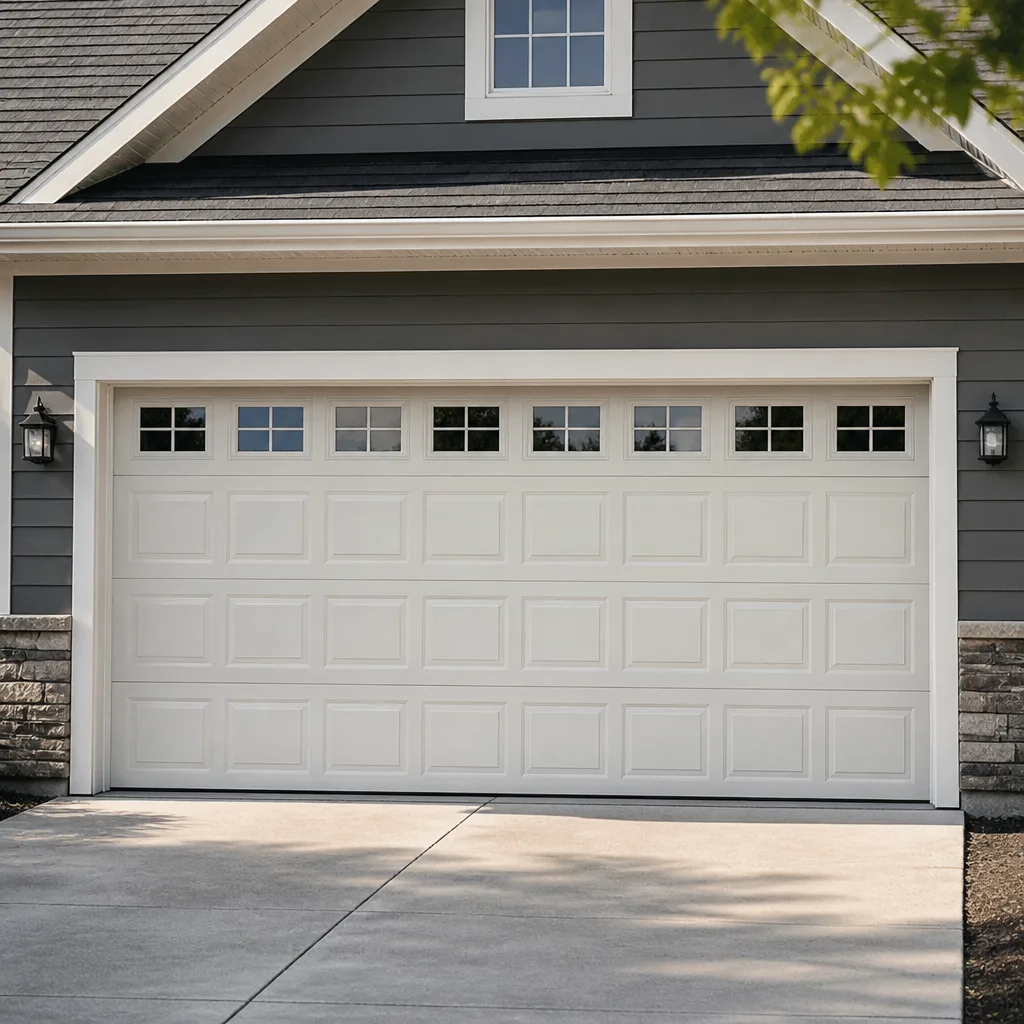 Raised-panel steel
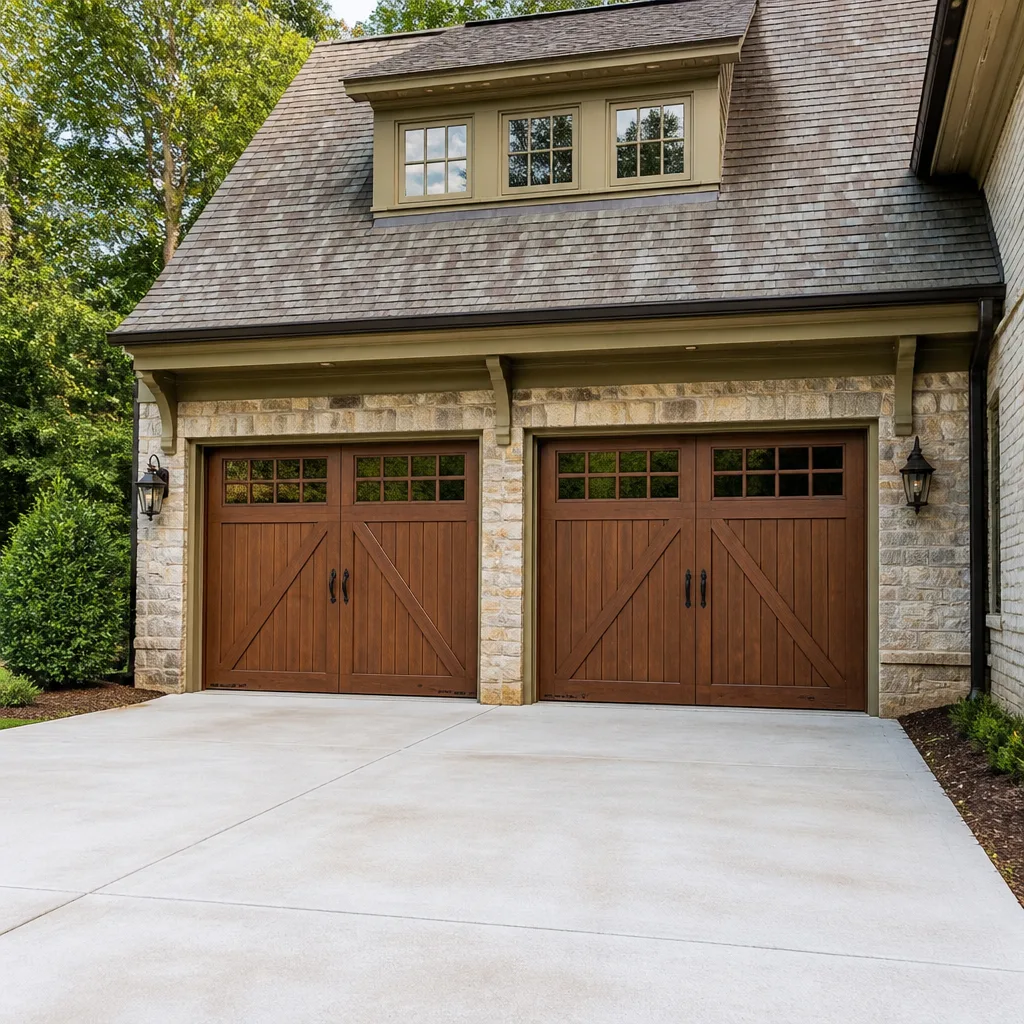 Carriage house
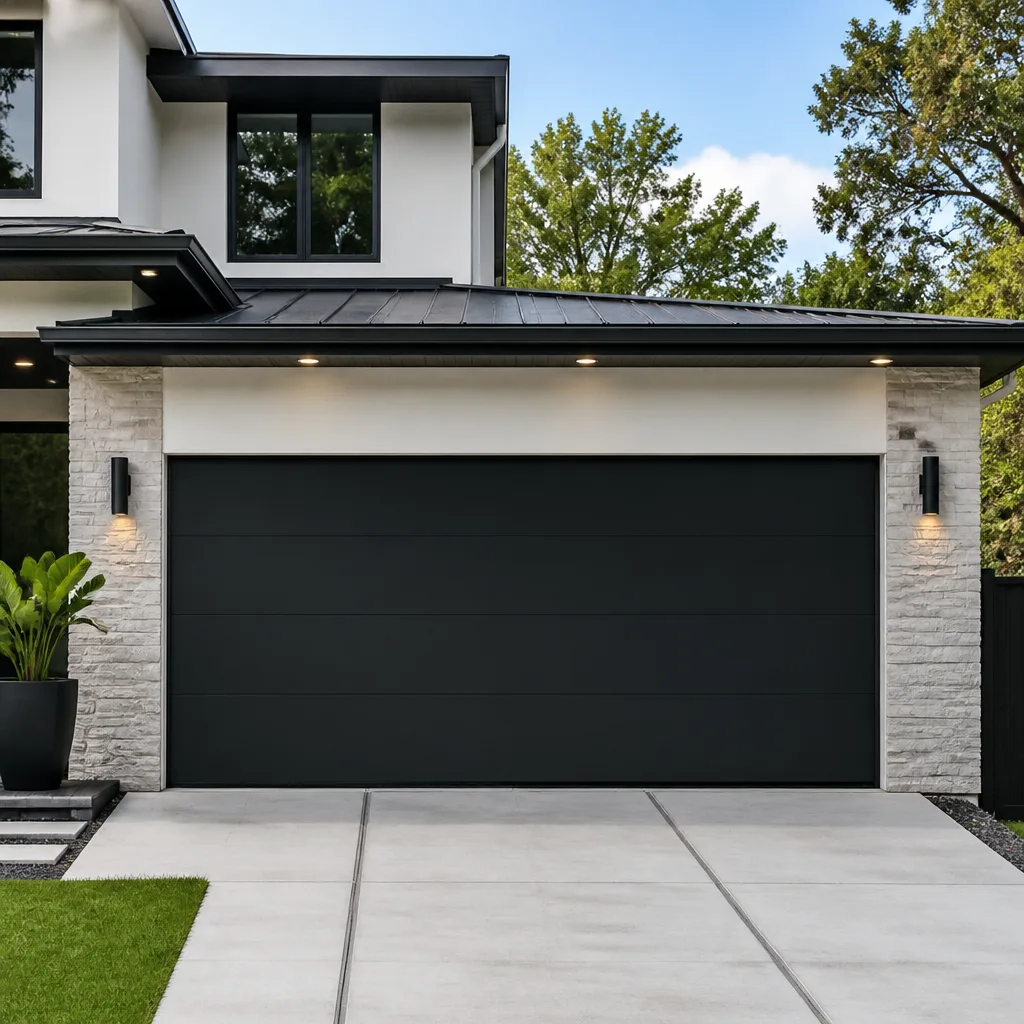 Modern flush
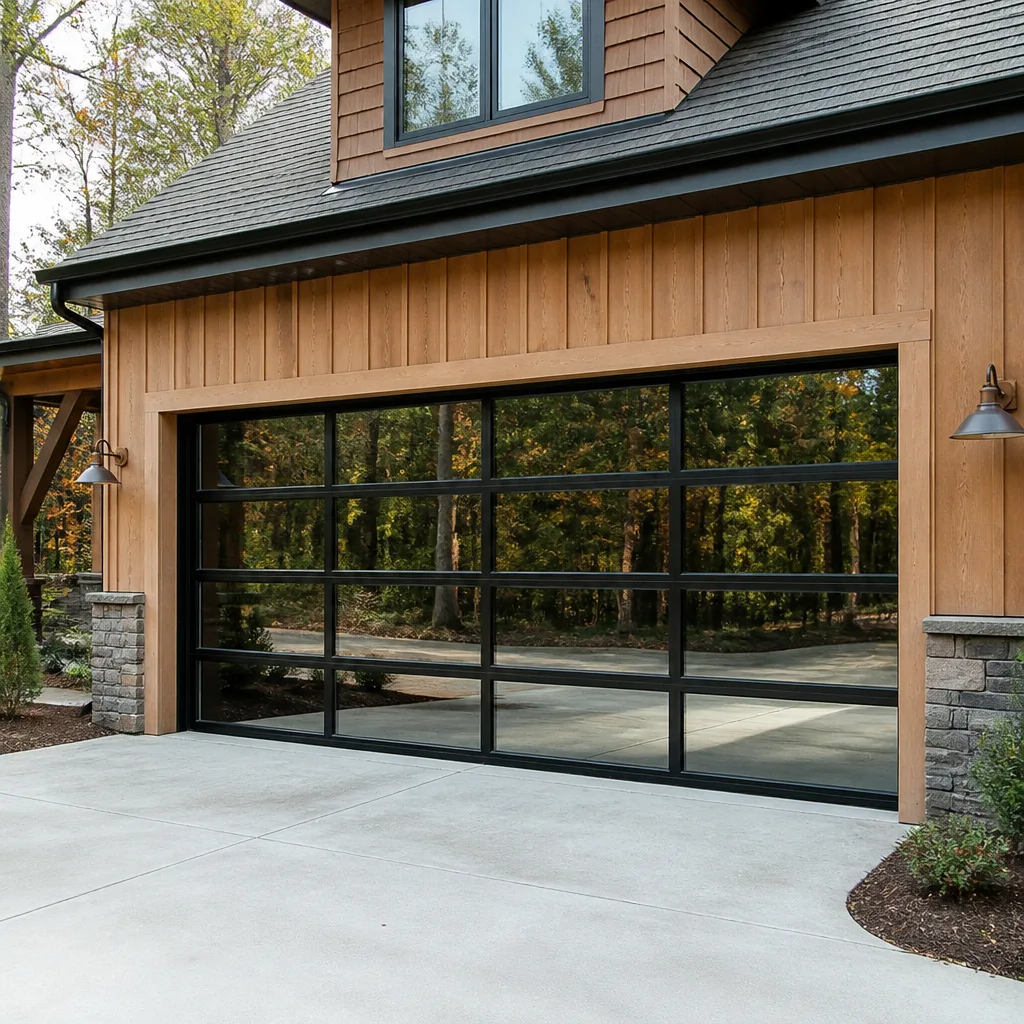 Full-view glass
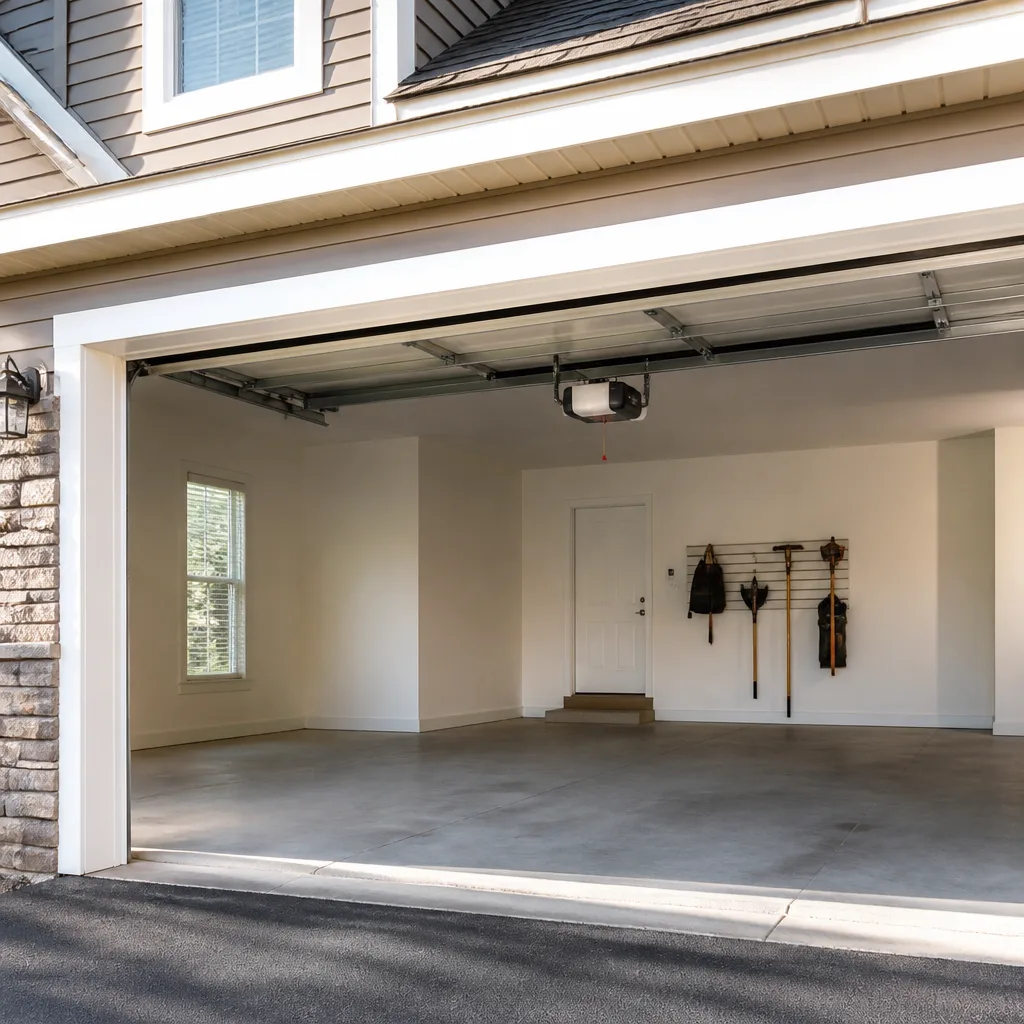 LiftMaster openers
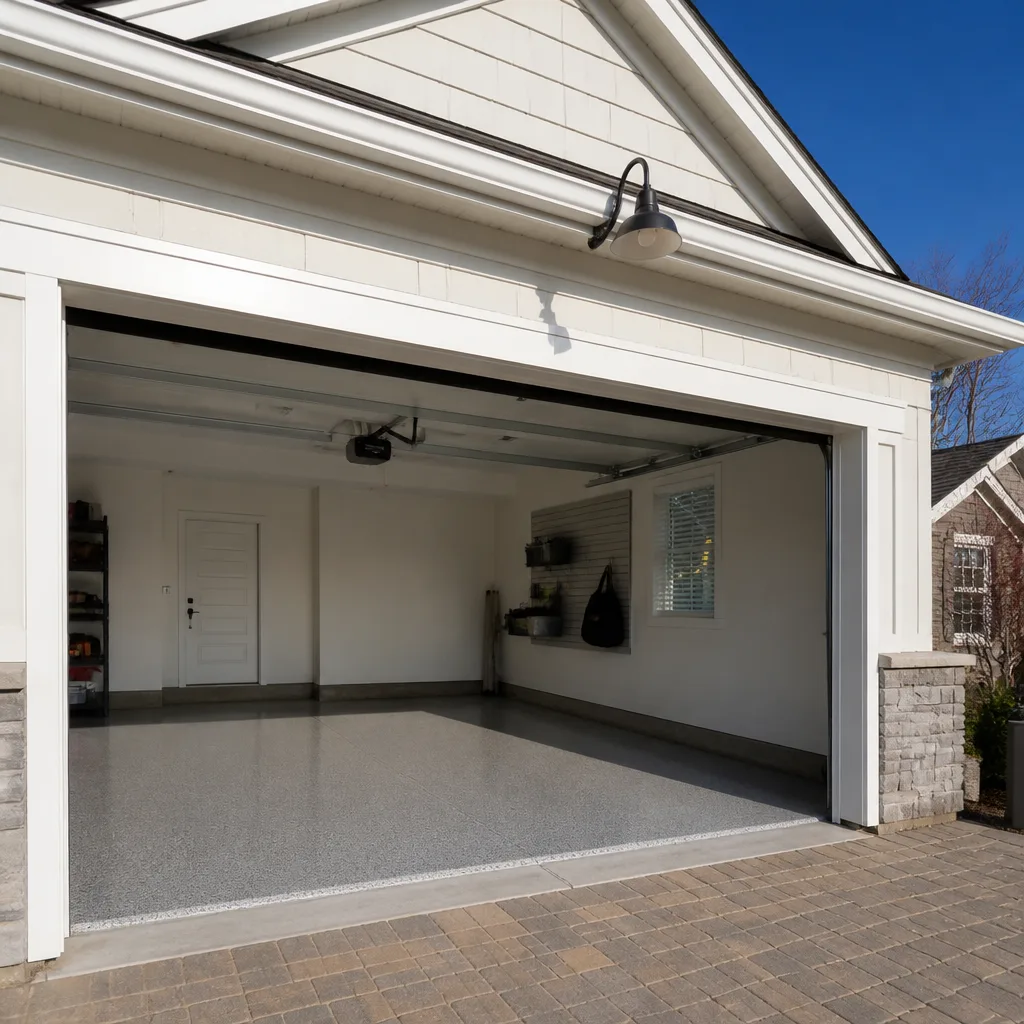 Chamberlain openers
Full 25-point door and opener safety check with every visit - springs, cables, rollers, tracks, and your LiftMaster or Chamberlain opener included
You get a price before we start. It does not change when the pro arrives.
Get your free estimateGarage Door Repair Troubleshooting in Pembroke Pines: Common Problems and How to Fix Them
Replacing a garage door spring when the real problem is a worn cable drum costs you twice, and it happens more often than most technicians will say out loud. Diagnosing a garage door is rarely about the part that looks broken. It’s about tracing a symptom back to the system that produced it. A door that won’t close may have nothing wrong with the opener, and a door that groans may be asking for lubrication rather than new hardware. In this guide, we break down the diagnostic framework we use in Pembroke Pines so you can tell the difference between an opener problem, a spring problem, a track problem and a hardware problem before anyone touches the door. You’ll also learn which steps are safe for a homeowner and which ones involve stored energy that can hurt you.
Quick Answer
Most garage door problems in Pembroke Pines fall into one of four systems: the opener, the springs and cables, the tracks and rollers, or the door hardware itself. The fastest way to troubleshoot is to identify which system is failing before you replace any part. Springs, cables and anything under tension are dangerous and should be handled by a trained technician. Openers, remotes, sensors and visible track alignment issues are usually safe to inspect. Matching the symptom to the system saves money and prevents repeat repairs.
Styles & brands we work with
- Raised-panel steel
- Carriage house
- Modern flush
- Full-view glass
- LiftMaster openers
- Chamberlain openers
Table of Contents
- How to Diagnose a Garage Door Problem by System
- Five Problems That Look Like Opener Failures (But Aren’t)
- How South Florida Heat and Humidity Change Garage Door Failure Patterns
- Safe Troubleshooting Steps vs. Steps That Require a Technician
- How to Describe Your Problem So the Right Parts Arrive
- Why Brand Matters: Chamberlain, Genie, Clopay and Amarr Systems
- When to Treat a Garage Door Failure as an Emergency
- Repair or Replace? A Practical Decision Framework
How to Diagnose a Garage Door Problem by System
Every garage door failure starts in one of four places. Before you buy a part or call anyone, work through these systems in order. This is the same diagnostic tree our technicians run on every call in Pembroke Pines, and it’s the reason we can often quote the fix over the phone.
System 1: The opener. The opener is the motor, rail and control logic. If the door clicks, hums or lights up but doesn’t move, the opener may be the problem. If the door moves a few inches and stops, the opener is usually fine and something mechanical is binding the door. That distinction alone prevents most misdiagnoses.
System 2: Springs and cables. These carry the door’s weight. If the door feels heavy when lifted by hand (with the opener disengaged), the spring system is failing. If you see a visible gap in a spring coil or a cable hanging slack, stop. Don’t run the door. Springs are under extreme tension and can cause serious injury.
System 3: Tracks and rollers. Tracks guide the door. Rollers travel inside them. If the door scrapes, jerks or drifts sideways, the track alignment or roller condition is the likely cause. In Pembroke Pines, heat-driven expansion can shift a track slightly out of plumb over a season, and the symptom looks identical to an opener problem.
System 4: Door hardware and panels. Hinges, brackets, panel joints and the bottom seal. A rubbing panel, loose bracket or sagging hinge produces a binding noise that customers often report as “the motor is struggling.”
Numbered diagnostic order:
- Watch the door move. Note where it stops and what sound it makes.
- Disengage the opener with the manual release. Lift the door halfway by hand.
- If it feels heavy or won’t stay put, the springs are the problem.
- If it moves freely by hand but not with the opener, the opener is the problem.
- If it moves freely by hand but scrapes in the track, the tracks or rollers are the problem.
- If it moves in both modes but grinds, the hardware is the problem.
Working through these six steps takes under two minutes and tells you which specialist call you’re making. If you’d rather skip the guesswork, garage door repair starts with that exact diagnostic on the first visit.
Five Problems That Look Like Opener Failures (But Aren’t)
Homeowners replace openers far more often than they need to. Here are the five failures we routinely trace back to mechanical causes, and how to tell the difference in under two minutes. Every one of them produces a symptom that most people read as “the motor is dead.”
- The door reverses immediately. Usually a photo-eye sensor alignment issue, not the motor. Check for an obstruction, a dirty lens or a sensor that’s been nudged out of line. Clean both lenses and verify the indicator light on each unit.
- The door goes up but won’t come down. Almost always the safety sensors, not the opener. If the sensor beam is broken, the opener correctly refuses to close the door. That’s the logic working, not failing.
- The opener hums but the door doesn’t move. Either the gear inside the opener has stripped, or the door is binding so badly the motor can’t overcome the load. Lift the door by hand. If it’s heavy, the door is the problem.
- The door moves a foot and stops. This is typically a force-limit trigger caused by a track out of alignment or a worn roller, not a failing opener board. Adjusting the force setting to push through it makes the problem worse over time.
- The remote only works up close. Nine times out of ten this is a battery, antenna or interference issue, not a failed opener. A quick battery swap and antenna reposition usually restores full range.
Once a genuine opener failure is confirmed, garage door opener repair covers everything from a stripped drive gear to a failed logic board. Being specific about which of these five patterns you’re seeing when you call saves a diagnostic trip and often lets us bring the right part the first time.
How South Florida Heat and Humidity Change Garage Door Failure Patterns
Garage doors fail differently here than in drier parts of the country. Pembroke Pines summers combine high heat with sustained humidity, and that combination ages the components on a schedule that catches homeowners off guard. Knowing these local patterns helps you anticipate failures instead of chasing them.
Heat stress on springs. A torsion spring cycles thousands of times per year, and every cycle generates heat at the coil. Add ambient garage temperatures well above outdoor readings, because a garage in Pembroke Pines can be significantly hotter than the yard. That heat accelerates metal fatigue, and it’s why spring failures here often come earlier than the door’s overall age would suggest.
Humidity and roller wear. Nylon rollers and their steel shafts see more friction in a high-humidity environment because lubricant migrates and thins. Metal rollers can develop surface rusting that creates a grinding noise in the track. On Chamberlain and Genie systems in particular, customers often misread this grinding as a failing motor.
Track expansion. Metal tracks expand in heat. Brackets anchored to a garage wall that heats and cools daily can shift a track slightly out of line over a season. Once the rollers no longer track straight, the door binds, the force limit trips, and the opener gets blamed.
Seal and panel degradation. The rubber bottom seal and the panel joints between Clopay and Amarr doors flex in heat. A seal that’s dried out lets water in, and panel joints that have expanded may rub. Both conditions produce noise that sounds mechanical even when the opener is fine.
What this means in practice: if your door is over a certain age and the symptom appeared during the hottest part of summer, it’s more likely a heat-related mechanical issue than an electrical failure. Our technicians have up to 13 years of experience across these exact conditions, running diagnostics every week in Pembroke Pines neighborhoods like Silver Lakes, Chapel Trail and Pembroke Falls.
Safe Troubleshooting Steps vs. Steps That Require a Technician
Some troubleshooting is safe for any homeowner with a step stool. Other steps involve components that can cause serious injury and should never be attempted without training and proper tools. Knowing the difference matters more than knowing the fix.
Safe for homeowners:
- Replacing remote batteries and re-pairing remotes.
- Cleaning the photo-eye lenses and checking sensor alignment.
- Visually inspecting tracks for obvious bends or debris.
- Testing the manual release to check if the door is heavy by hand.
- Lubricating rollers, hinges and the opener rail with a proper garage door lubricant.
- Checking that the wall control and safety reversal work.
- Clearing obstructions from the door path and the bottom seal.
Requires a technician:
- Anything involving torsion springs, extension springs or the cables that run from them.
- Removing or replacing drums, bearings or center brackets.
- Adjusting spring tension of any kind.
- Replacing hinges or brackets on a door that’s under spring tension.
- Any electrical work inside the opener case or the wall control circuit.
- Realigning the door in a way that requires unbolting the tracks.
The single most dangerous thing a homeowner can do with a garage door is attempt to work on a spring or cable without knowing how to relieve the stored energy safely. Springs are under enough tension that a slip can cause a serious injury, and the tools required aren’t in a typical homeowner kit. If you’ve confirmed you have a spring or cable failure, call for help. Do not run the opener. Even a door that looks flat on the ground can still have a live spring above it.
How to Describe Your Problem So the Right Parts Arrive
A precise description of your problem saves time and lets a technician show up prepared. Diagnostic detail is what separates a one-visit repair from a two-visit repair. Here’s the framework we recommend every Pembroke Pines homeowner use when calling, and it works whether the door is a Clopay, an Amarr or an older Craftsman.
- Brand and model. Look at the opener housing and the door panels. Both usually carry a label. If you can’t find it, tell us the color and general style of the door and we’ll narrow it down.
- Symptom in one sentence. “Door opens fine but won’t close.” “Door goes up six inches and reverses.” “Door makes a loud bang and won’t move.” Each of those points to a different system.
- When it started. Sudden failures point to a different cause than gradual ones. A failure after a power outage is different from a failure that appeared over months.
- What you can see. Gap in a spring, cable hanging, rollers off track, dent in a panel, sensor light out. Visible clues often confirm the diagnosis before anyone arrives.
- What you’ve tried. If you’ve already reset the opener or changed the remote battery, say so. Otherwise a technician repeats work you’ve done.
- Your door’s age. Not required, but useful. Doors over a certain age with a first spring failure are often a spring-for-the-other-side situation.
If your opener is the suspect and you can name it, tell us. Our technicians work across LiftMaster, Chamberlain, Genie, Clopay, Amarr, Wayne Dalton, Craftsman and Raynor, and knowing the brand in advance means we likely have the correct part on the way.
Why Brand Matters: Chamberlain, Genie, Clopay and Amarr Systems
Garage doors and openers aren’t interchangeable. Each manufacturer designs its components around its own torque profiles, spring wire gauges, hinge patterns and control programming. Brand-matched service isn’t a marketing preference. It’s the difference between a correct repair and a workaround that fails in eighteen months.
Openers. Chamberlain and LiftMaster share a lot of architecture, including the wall control protocol and the safety sensor design, but a Chamberlain board and a LiftMaster board aren’t the same part. Genie uses a different drive mechanism in many models, with a different force-adjustment procedure. A technician who doesn’t know which brand they’re looking at can install a compatible-looking part that technically runs but doesn’t match the door’s force curve, which is how premature gear wear starts.
Doors. Clopay and Amarr build doors with different panel profiles and different reinforcement tolerances. That matters when a repair involves replacing a hinge or a hinge bracket: the correct hinge is designed for the panel it attaches to, and a generic substitute stresses the panel joints over time. Amarr panels, in particular, use specific profile measurements that a generalist hardware kit won’t match.
Springs. Springs must match not only the door’s weight but the wire diameter and cycle life specified by the door’s original design. Two technically fitting springs can carry very different cycle counts. A technician who works across brands regularly knows which spring spec will actually match the door.
When you call, telling us the brand shortens the diagnostic. Our team carries working knowledge across eight major manufacturers precisely so that the answer to “which door is this” is instant. That’s the practical side of Garage Door Repair Pembroke Pines Pros.
When to Treat a Garage Door Failure as an Emergency
Not every garage door failure needs a same-day response. Some do, and mistaking a scheduled repair for a non-urgent one creates a security problem. Here’s how we separate the two.
Treat it as an emergency if:
- A spring has snapped and the door won’t open. The door can’t be opened safely without spring tension.
- The door has come off track and is hanging at an angle. This is a structural hazard.
- The door is stuck open. Your home is exposed and the door can’t be secured.
- A vehicle is trapped inside the garage.
- You hear a loud bang and the door drops. Do not continue operating the opener.
Usually safe to schedule:
- A remote that works only up close.
- A sensor that trips in the same spot every time.
- A door that’s gradually become noisier over weeks.
- A wall control that needs an extra press.
- Cosmetic panel damage that doesn’t affect operation.
If you’re not sure which bucket yours fits, call and describe it. Emergency garage door response is a core part of what we do in Pembroke Pines, and a technician will tell you honestly whether it can wait until the next scheduled visit or needs attention right now.
Repair or Replace? A Practical Decision Framework
Sometimes the honest answer to a broken garage door is that another repair won’t fix the underlying pattern. That happens most often when multiple systems are failing at once, not when one component has reached end of life. Here’s the framework we walk through before recommending a replacement.
- Is the failure isolated? A single spring failure on an otherwise healthy door is a repair. Two or more simultaneous failures (spring, opener logic board and sagging hinges) is a much bigger conversation.
- Is the spring the only failure? Replacing a single spring when its pair is the same age is usually the more economical call long-term, because the second spring is statistically the next thing to fail.
- Are the panels still structurally sound? Rusting through or delamination in the panels is a replacement trigger. A single dented panel usually isn’t.
- Is the opener matched to the door? An older Chamberlain or Genie opener running a modern insulated door can be undersized, which is a replacement conversation even if neither is defective.
- Does the door still meet the home’s insulation and wind considerations? Pembroke Pines homes often benefit from upgraded insulation, and if the door needs a panel replacement anyway, a fresh install is often the better value.
When the answer is replacement, garage door installation covers the measure, the product options and the written price before any work begins. When the answer is repair, we tell you that instead. The right fix, not the fastest guess.
Common Mistakes to Avoid
- Replacing the opener when the door is binding. The motor gets blamed for a mechanical problem far more often than it fails. Lift the door by hand with the opener disengaged before you spend money on a motor.
- Increasing the force setting to push through a binding door. This masks the symptom and accelerates wear on the opener gear and the door itself. If a door needs more force to close in Pembroke Pines summer heat, something mechanical has changed.
- Replacing one spring and not the pair. A pair of springs is designed to wear together. When one snaps, the other is at the same point in its life. Replacing one is a short-term fix that costs more in the second visit.
- DIY spring work. Torsion springs are dangerous. This is the single biggest safety mistake homeowners make, and it’s a job for a trained technician with the proper winding bars and a safe procedure.
- Using WD-40 or general-purpose oil on rollers and hinges. Standard lubricant attracts dust and gums up in heat. Use a garage-door-specific lubricant, and use it sparingly.
- Ignoring a small track bend. A slightly bent track will eventually pull the rollers out of alignment and turn a ten-minute fix into a full track replacement.
- Buying a generic hardware kit for a Clopay or Amarr door. The hinges and brackets have to match the panel profile. A generic kit stresses the panel joints and creates a slow, expensive failure.
See the difference
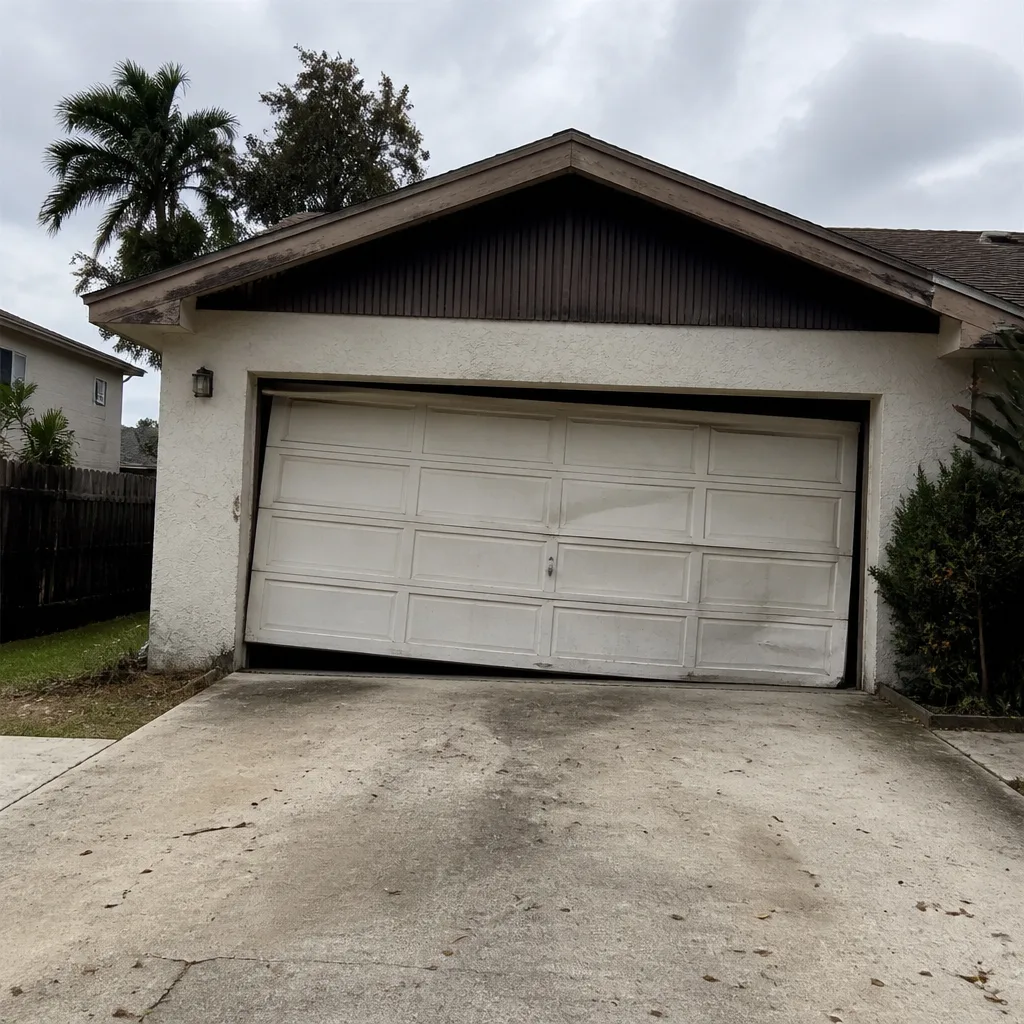 Before
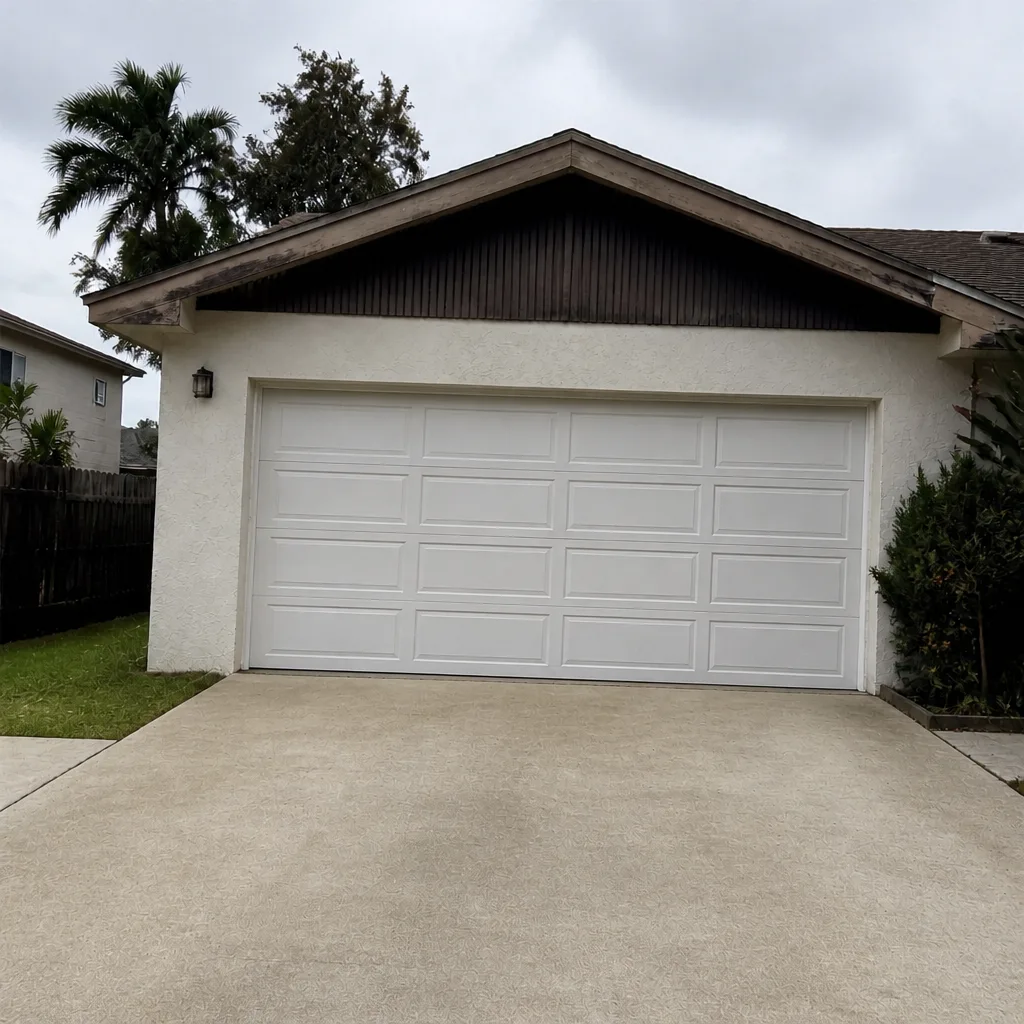 After
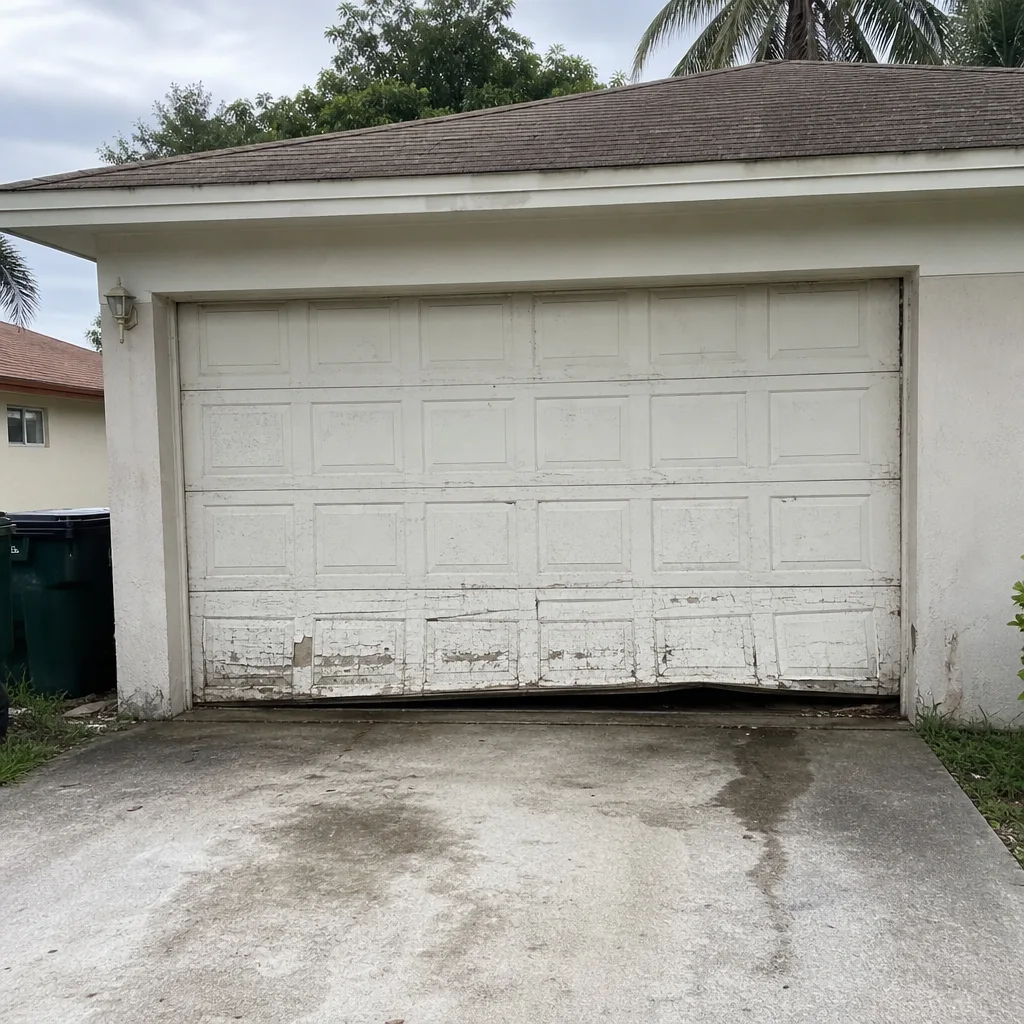 Before
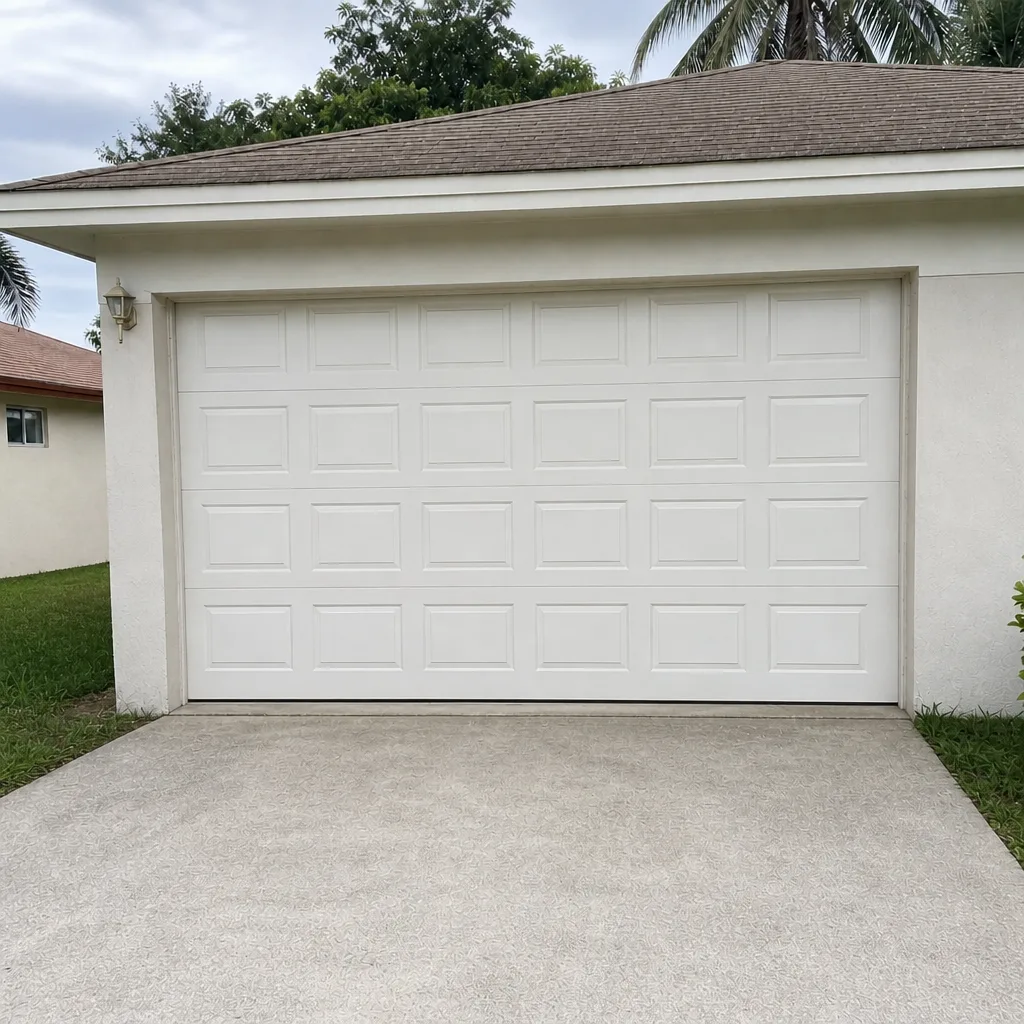 After
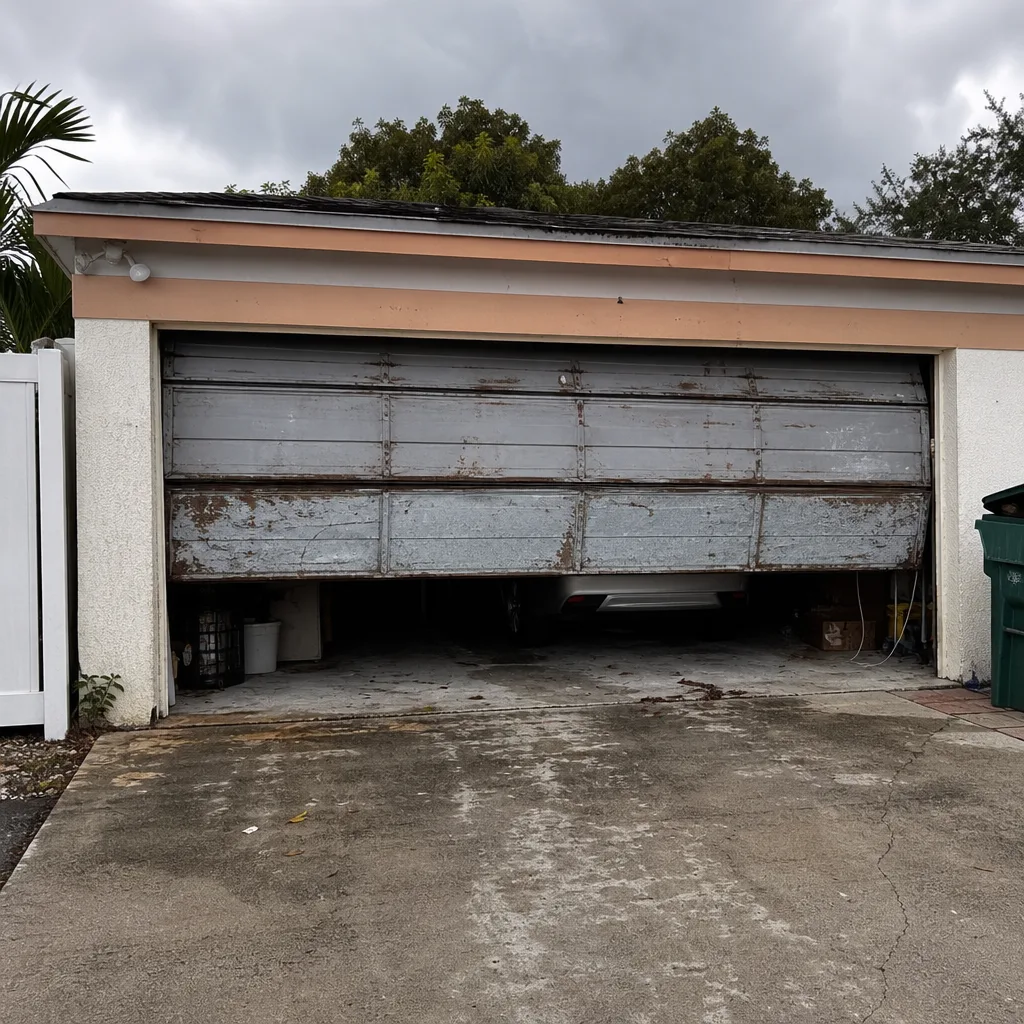 Before
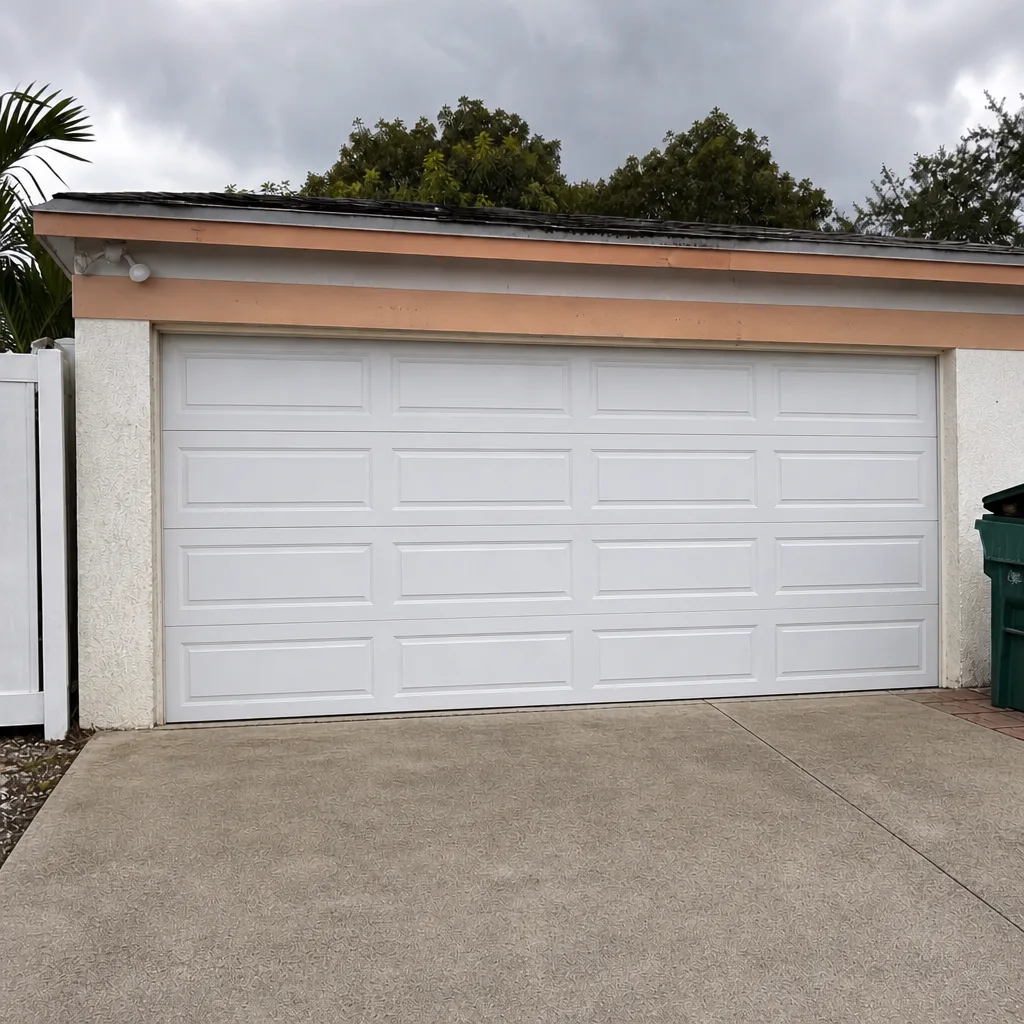 After
When to Call a Professional
Call a professional the moment you identify the problem as a spring, a cable, a track realignment or anything electrical inside the opener. Those are the four situations where a homeowner’s fix is either unsafe or likely to create a second failure. Also call when the door won’t close completely, when the door is visibly off track, or when a repair you attempted hasn’t actually solved the symptom you started with. Diagnostic calls are the highest-value ones because a correct diagnosis is the entire cost of the fix. Garage Door Repair Pembroke Pines Pros offers free estimates in Pembroke Pines, and our technicians will tell you honestly whether your door needs a repair or a replacement. Call (844) 443-4021.
Frequently Asked Questions
Pull the manual release to disengage the opener, then lift the door by hand. If the door is heavy or won’t stay up on its own, the problem is mechanical (springs, cables or track), not the opener. If the door moves freely by hand but doesn’t respond to the opener, the problem is electrical or in the opener itself. That two-step test catches most misdiagnoses. If you’re not sure, call (844) 443-4021 – estimates are free.
No. Garage door springs, whether torsion or extension, are under enough tension to cause serious injury if handled incorrectly. The tools required (winding bars for torsion springs) aren’t in a typical homeowner kit, and there’s no safe procedure without training. This is one job where the professional cost is worth it. Call us before you try, and don’t run the opener once a spring has failed.
Heat. In Pembroke Pines, garage temperatures climb significantly above outdoor readings by afternoon, and that heat causes metal tracks to expand, lubricant to thin and photo-eye sensors to drift slightly out of alignment. A door that fails only in the afternoon is almost always a heat-driven mechanical issue, not a failing motor. A technician can identify whether the fix is a track adjustment, a lubrication service or sensor realignment.
Common causes, in order of likelihood: stripped drive gear inside the opener, a broken spring so the door is too heavy for the motor, a snapped lift cable, or a stripped trolley carriage. All four produce the same symptom (motor runs, door stays put). A technician who works with Chamberlain and Genie regularly can identify which one in minutes with the door in manual mode. Call (844) 443-4021 to schedule a diagnostic.
Most residential repairs fall into a predictable set of categories: spring replacement, cable replacement, track realignment, opener repair and roller/hinge replacement. Each category has its own typical range depending on the door style, the brand and the number of components involved. The written estimate from your diagnostic is the price, and we confirm it before any work starts. Call (844) 443-4021 for a free estimate – the number on the written quote is the number you pay.
Yes, but predictably. A binding door puts extra load on the opener motor every time you run it, and an opener run under load fails sooner. A slightly bent track pulls rollers out of alignment and can eventually require a full track replacement. The cheapest repair on a garage door is almost always the one done at the first sign of a symptom. Call us at (844) 443-4021 and we’ll tell you honestly whether it can wait.
The Bottom Line
Garage door troubleshooting comes down to four systems: opener, springs and cables, tracks, and hardware. Match the symptom to the system before replacing anything. Give springs and cables a wide margin of respect and leave them to a trained technician. Watch for the heat-related failure patterns specific to Pembroke Pines, and be specific when you call so the right part shows up the first time. If you’re unsure which bucket your door falls into, the fastest path is a diagnostic call. We work across Chamberlain, Genie, Clopay, Amarr and the other major brands, and our technicians have up to 13 years of experience on these systems. One accurate diagnosis is cheaper than three guesses.
Call (844) 443-4021 for a free estimate on any garage door repair in Pembroke Pines. Same-day and emergency service available for failures that can’t wait, and every repair is quoted in writing before the work starts.
Written by the team at Garage Door Repair Pembroke Pines Pros.