Last updated November 22, 2026
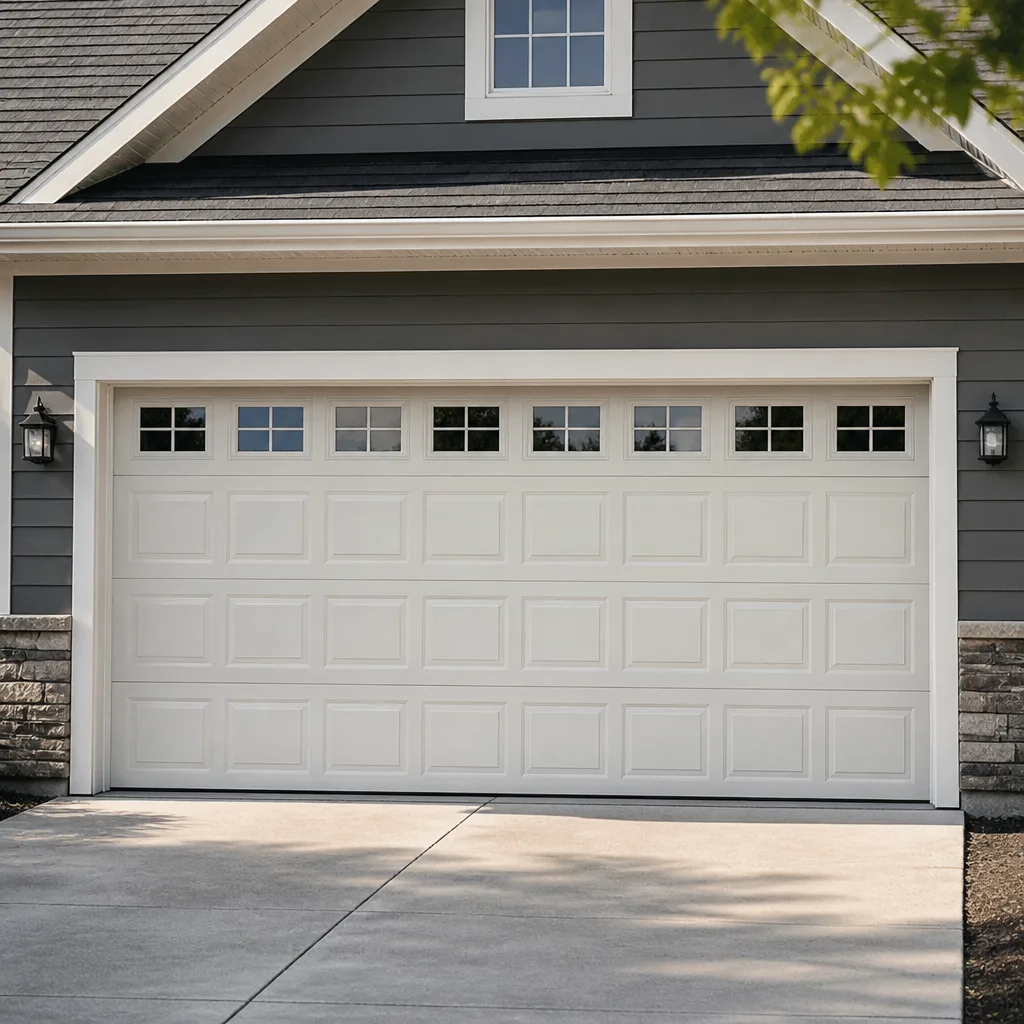 Raised-panel steel
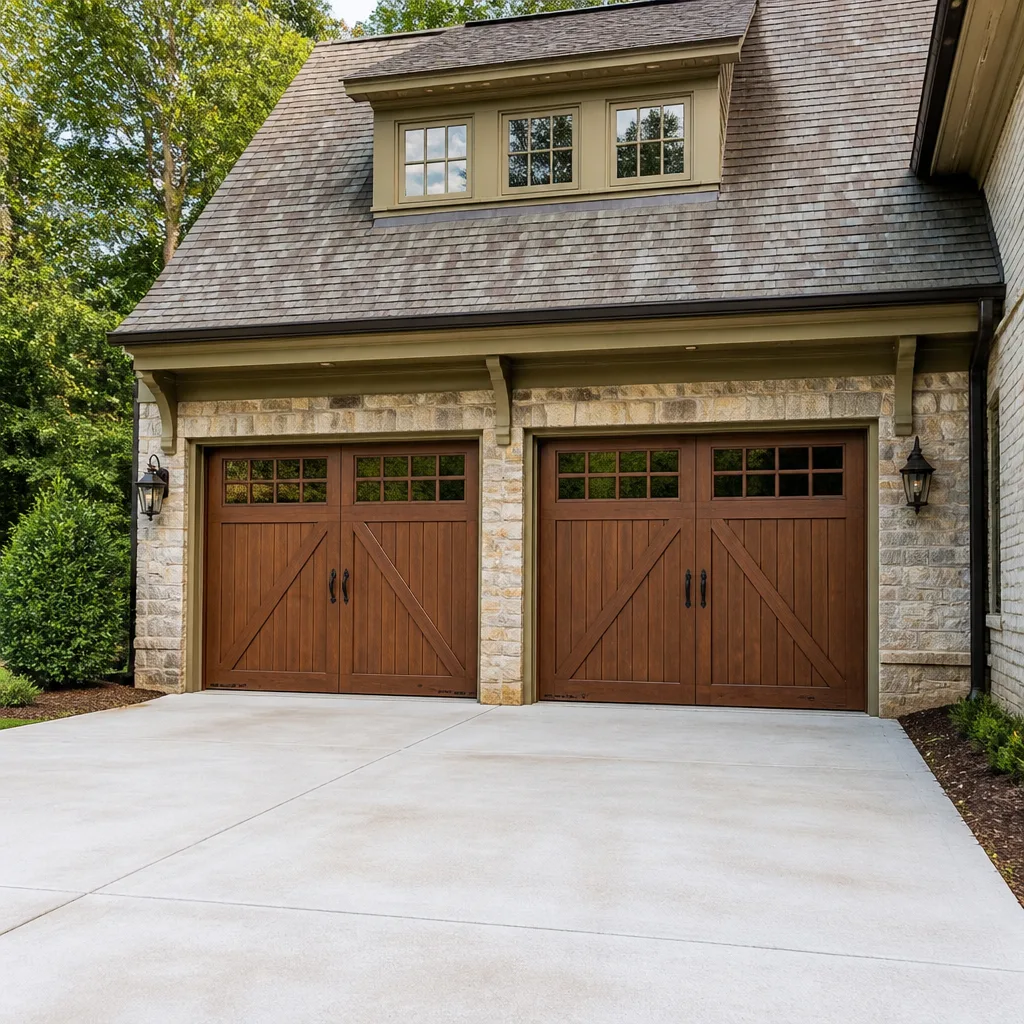 Carriage house
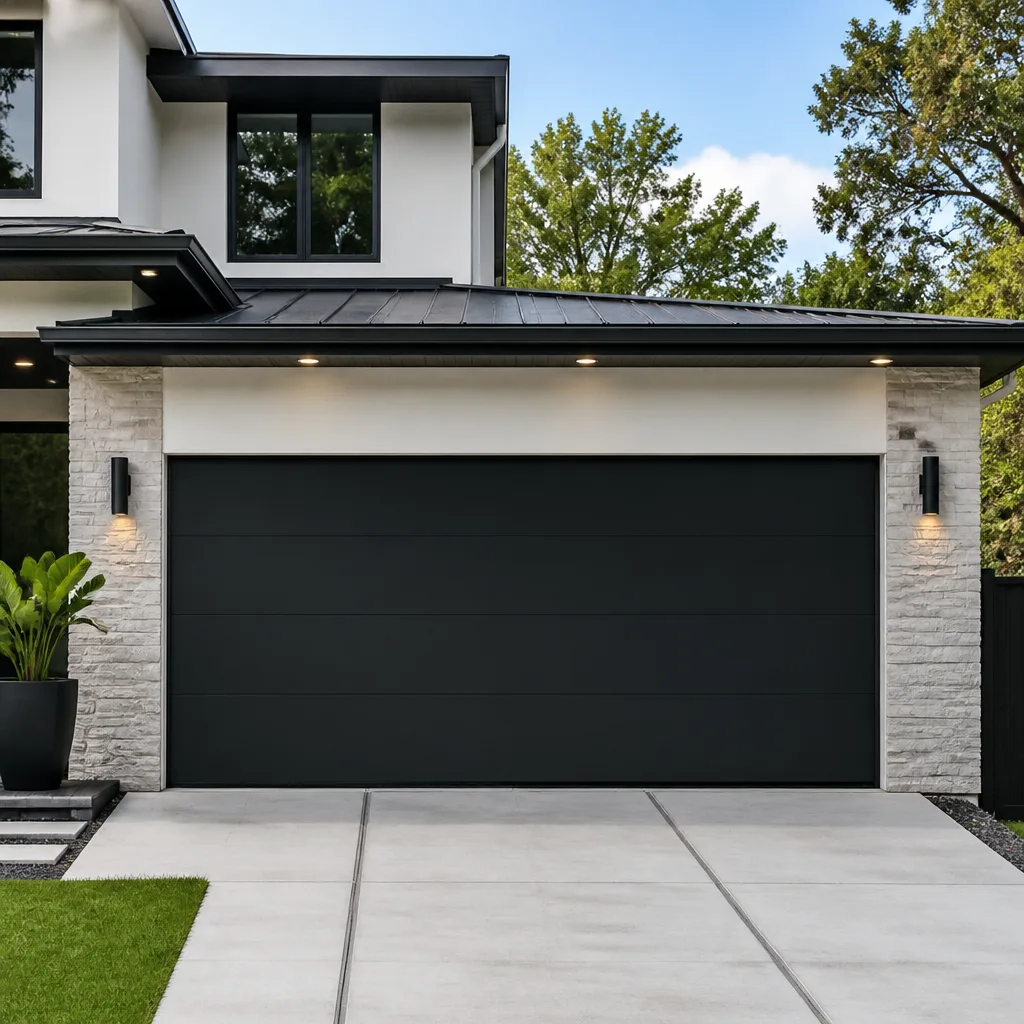 Modern flush
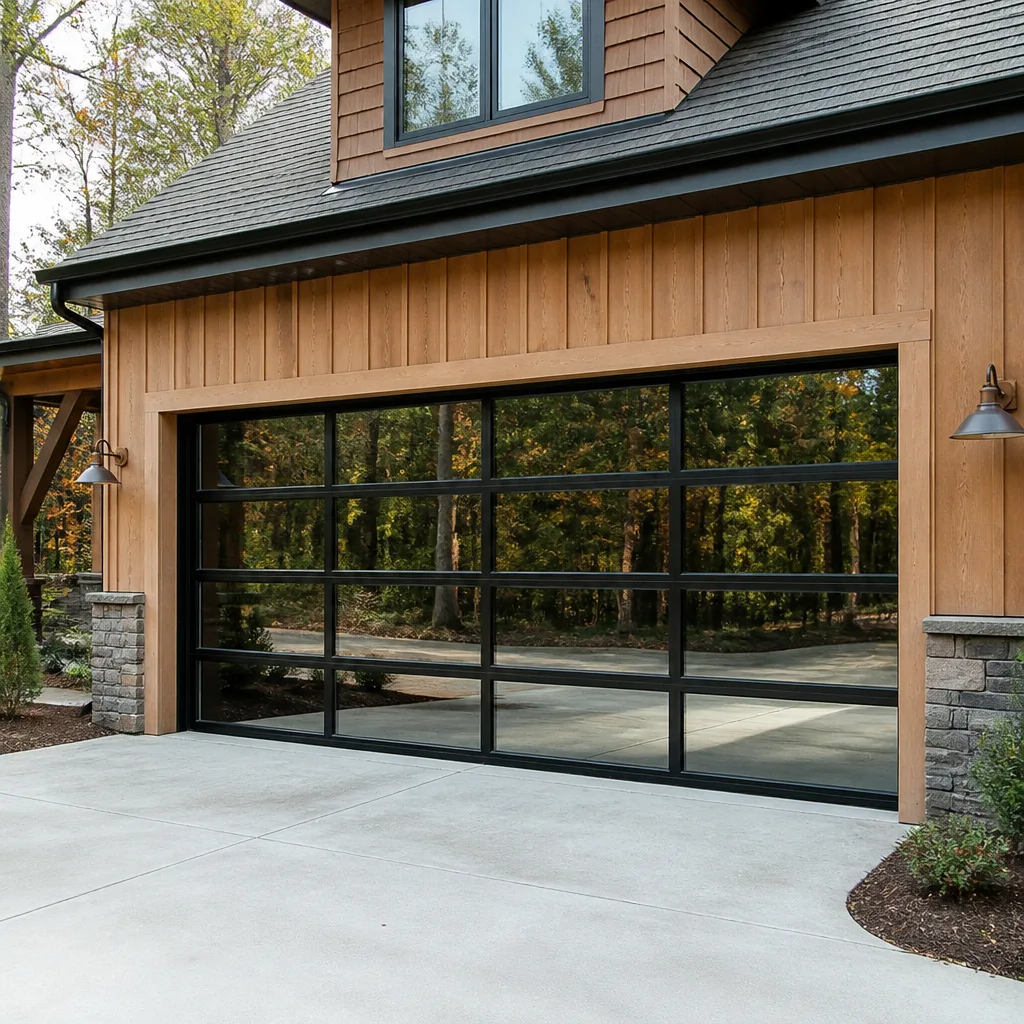 Full-view glass
 LiftMaster openers
 Chamberlain openers
Full 25-point door and opener safety check with every visit - springs, cables, rollers, tracks, and your LiftMaster or Chamberlain opener included
You get a price before we start. It does not change when the pro arrives.
Get your free estimateGarage Door Repair Maintenance Checklist for Pembroke Pines Homeowners
Most garage door maintenance advice online was written for a door in a dry, cold-climate garage, then copied everywhere else. That’s the problem. In Pembroke Pines, a door lives in heat, humidity, and heavy seasonal rain, and it gets stressed by the same wind events that rattle windows and drop branches across Broward County. The generic “lubricate twice a year and you’re fine” routine skips the checks that actually matter here: rust initiation on springs and bearings, track alignment after a storm, and weather seal integrity before the rainy season. This guide gives you a checklist built for Pembroke Pines homes – what to check, how often, what you can safely do yourself, and what should go to a trained technician.
Quick Answer
A garage door maintenance checklist in Pembroke Pines should include a monthly visual inspection of springs, cables, rollers, and tracks; a quarterly lubrication routine using a product suited to heat and humidity; a post-storm check after any Broward County wind event; and an annual balance and safety-reverse test. Anything involving spring tension, cable replacement, or opener wiring is a technician job, not a DIY one. Keep a photo record of the door’s condition so you have documentation if you ever need to file an insurance claim.
Styles & brands we work with
- Raised-panel steel
- Carriage house
- Modern flush
- Full-view glass
- LiftMaster openers
- Chamberlain openers
Table of Contents
- The Monthly Inspection: What to Look For in Pembroke Pines Humidity
- Rust Initiation: How to Spot It Before It Becomes a Failure
- Lubrication in South Florida Heat: The Right Product, the Right Schedule
- Balance and Tension: What Homeowners Can Safely Check
- The Post-Storm Checklist After Broward County Wind Events
- Testing the Safety Reverse and Photo Eye Monthly
- Photo Documentation for Insurance Claims
- The Annual Professional Service Visit
The Monthly Inspection: What to Look For in Pembroke Pines Humidity
A monthly walk-around takes five minutes and catches problems while they’re still cheap to fix. In Pembroke Pines, the biggest threat to a garage door system isn’t winter cold – it’s year-round humidity that feeds rust on the components carrying the heaviest load. The springs, the bottom brackets, the hinges, and the bearings are all metal, and metal in humid air wants to oxidize. Your monthly inspection is about spotting that early.
Here’s what to look at, in order, from the ground up:
- Springs (torsion or extension): Look for powdery orange or white deposits. Run your eye along the coil for gaps; a visible gap in a torsion spring means it’s failed or is about to, and the door should not be operated.
- Cables: Check for fraying, kinks, or sagging. A cable that’s jumped its drum is a stop-use condition.
- Rollers: Nylon rollers should be firm and round. Steel rollers should spin freely. Flat spots or grinding indicate wear.
- Hinges and bottom brackets: Rust here is common in Pembroke Pines humidity. Light surface rust is cosmetic – deep pitting is not.
- Tracks: Look for dents, bends, or debris. Run a hand along the inside edge (door closed) and feel for rough spots.
- Weather seals: The bottom seal and side jambs should lie flat against the frame with no daylight showing through.
- Panel condition: On steel doors (common in Pembroke Pines subdivisions with Clopay, Amarr, and Wayne Dalton installations), check for bubbling paint or small rust blooms along the bottom edge where water collects.
If something looks wrong, don’t run the door. Call a professional and get an assessment before you press the remote again. We’ve walked many Pembroke Pines homeowners through this check over the phone, and we can usually tell within a minute whether it’s a small fix or a stop-use situation.
Rust Initiation: How to Spot It Before It Becomes a Failure
Rust on a garage door system rarely shows up as a dramatic failure. It starts as a thin, pale discoloration on a spring coil or hinge pin and works its way into the metal over weeks and months. In Pembroke Pines, that timeline is sped up by high average humidity and the fact that the garage is often the least ventilated room in the house. Warm, damp air sits in there, and metal components stay wet long after the rain has stopped.
Early rust looks like this:
- A fine orange-brown haze on a spring coil, often near the middle of the spring where the coil flexes most
- White or gray powder on galvanized hardware (this is zinc oxidation – the first stage)
- Bubbling paint on steel hinges and brackets
- Black or brown spotting on roller stems
- Brown streaks running down the interior face of the door panel from the top of a hinge or bracket
Surface rust on a hinge is cosmetic and easy to stop – clean it, apply a light lubricant, and keep an eye on it. Rust that’s pitted into the metal or found on a torsion spring is a different story. A spring with visible corrosion loses strength unevenly, which throws off door balance and puts more stress on the opener and the cables. When we see that on a service call in Pembroke Pines, we check the spring’s full length, not just the visible spot, and we look at the drum and cables too. If the spring is compromised, replacing it before it snaps is far safer and simpler than dealing with a broken spring and a stuck door later.
On a steel door with a painted finish, rust along the bottom edge indicates water is infiltrating through the bottom seal. That’s a seal problem, not a door problem, and fixing the seal now prevents panel rust from spreading. The local pro is licensed and insured as their state requires, and a qualified tech will tell you the difference between paint failure and metal failure.
Lubrication in South Florida Heat: The Right Product, the Right Schedule
Here’s where the standard “twice a year” advice breaks down. In South Florida heat, petroleum-based lubricants (motor oil, general grease, chain lube) become thinner and more volatile. They wick away from the contact points they’re supposed to protect, or they leave a sticky residue that attracts dust. The residue dries into a gummy film, and now you’ve got abrasive paste in your rollers instead of lubricant. That’s why we recommend a different product and a different schedule than the national advice suggests.
Recommended products:
- A silicone-based or lithium-complex grease made for garage door hardware, not WD-40 or motor oil
- A dedicated door lubricant spray with a light, non-tacky finish for hinges and rollers
- White lithium grease for the opener rail track and the gears (on chain and screw drive units)
Schedule we recommend for Pembroke Pines:
- Every 3-4 months (rather than every 6): hinges, rollers, track curves, and the opener rail. Apply a light spray, wipe off the excess, and cycle the door a couple of times.
- Every 6 months: inspect and re-grease the opener’s drive gear at the head unit (do this with the door disengaged from the opener motor).
- Never: lubricate the tracks themselves with grease. Tracks should be clean and dry so rollers roll freely.
- Never: attempt to lubricate a torsion spring’s contact with the drum. The spring is under extreme tension, and the wrong product can cause the coil to slip on the shaft.
We work with doors from Clopay, Amarr, Wayne Dalton, and Craftsman regularly, and their hardware sets handle Penbroke Pines heat differently. Nylon rollers outlast steel rollers in humidity. Stainless or galvanized hinge pins hold up better than painted steel. A technician who knows your brand knows the specific hardware and the right product line for it – this is one of the reasons we work on the specific manufacturers we do.
If you notice the door sounding louder, creaking more, or running slower, that’s often a lubrication issue – but it can also be an opener problem. If a lube routine doesn’t quiet it down, our garage door opener repair team can diagnose whether the motor, the gears, or the rail is the source. Get that check early before the motor wears out entirely.
Balance and Tension: What Homeowners Can Safely Check
Balance is one of the most useful things you can check and one of the most dangerous things you can adjust. Here’s the split. You can safely test whether the door is balanced. You should never attempt to adjust torsion spring tension or replace a spring yourself. Torsion springs are under enough tension to cause serious injury, and there’s no safe way for a homeowner to work on them without the right training and winding bars.
The balance test (safe to do):
- Close the door fully, then disengage it from the opener using the manual release handle (usually a red cord).
- Lift the door by hand approximately halfway up and let it go.
- A properly balanced door will stay in position with little or no drift.
- If the door drops or rises on its own, the spring tension is off – stop and call a technician.
What causes imbalance: A broken spring (obvious – the door won’t stay open), a spring that’s lost tension over time, one broken spring on a two-spring system, misaligned tracks, or a bent hinge. Extension spring systems on older Pembroke Pines homes behave slightly differently and can be checked the same way, but a door with a failed extension spring will feel very light and may not close at all.
Never: wind or unwind a torsion spring, replace a spring, or attempt to adjust the counterbalance on a door that’s stuck. This is the exact scenario we get called for most often, and it’s also the exact scenario where homeowners get hurt trying to fix it themselves. A trained technician with the right winding bars, proper safety glasses, and the correct spring for your door weight does it in under an hour. Our technicians have up to 13 years of experience, and a good portion of that is spring work – it’s one of the highest-risk jobs in this trade, and it needs to be treated that way. If your door needs a spring repair, our garage door repair team handles springs, cables, and drums as a specialty.
The Post-Storm Checklist After Broward County Wind Events
Broward County sees its share of strong wind events, and Pembroke Pines homes catch their fair share of the resulting damage – not always from direct impact, but from what wind does to a door that’s already slightly out of alignment. After any significant wind event (a tropical system, a strong afternoon thunderstorm, or a tornado warning), take fifteen minutes and run through this checklist. Do not operate the door until you’ve checked it.
- Inspect the panels from a distance first. Stand back and look at the door face – do the panels line up, or is one pushed in or out compared to its neighbors? A misaligned panel often means the panel was bent, or the track behind it was displaced.
- Check the tracks for buckling. Open the door manually if it’s safe to do so, or look at the tracks with the door closed. A wind that pushes against a closed door transfers force to the tracks. Look for a bend at the top curve or at the bottom bracket.
- Look for debris in the tracks. Palm fronds, small branches, and leaf litter jam rollers. Clear any debris with a gloved hand and check that rollers still run freely.
- Check the weather seal at the bottom and sides. A door that got pushed even a half inch can leave a gap or tear the seal. Test it by closing the door and looking for daylight at the edges.
- Test the balance and safety reverse. If the door is running smoothly, do the balance test from the previous section and the safety reverse test from the next section.
- Run the opener only after the manual checks pass. If anything sounds or feels wrong, leave the door closed and call a professional.
If the door took a direct hit, don’t operate it at all – a bent panel can bind in the track and damage the opener motor. Call us and we’ll respond to Pembroke Pines emergencies to assess the door safely. Our emergency response is a core part of what we do for exactly this reason.
Testing the Safety Reverse and Photo Eye Monthly
The safety reverse is the single most important safety feature on your garage door, and it’s the one that fails most quietly. Test it every month – it takes about 30 seconds.
- The pressure test: Place a 2×4 flat on the ground under the middle of the door. Close the door. When it hits the 2×4, it should reverse direction and go back up. If it stops and stays down, the reverse setting is wrong and needs adjustment.
- The photo eye test: With the door open, wave your leg or an object through the beam between the two photo eye sensors on the sides of the door opening. The door should not close, or should reverse if it’s already closing.
Both tests should pass every month. If the photo eyes are misaligned or dirty, or the reversing force setting has drifted, this is something we can adjust quickly – and it’s exactly the kind of work a trained technician handles on a service visit. On a LiftMaster, Chamberlain, Genie, or Craftsman opener, the reverse force adjustment is a specific dial or screw on the head unit, and getting it correct matters. Too sensitive, and the door reverses on the way down without a reason. Not sensitive enough, and it can crush something. We know these openers and we test them correctly.
If the reverse fails or you’re not sure, don’t use the door until it’s checked. This is one of the things we look at on every emergency call, and it’s part of any free estimate.
Photo Documentation for Insurance Claims
If a storm or impact damages your garage door, the difference between a quick claim and a slow one is often documentation. Adjusters want to see what happened before you cleaned up or repaired anything. Getting into the habit of a few photos costs nothing and pays off if you ever need it.
What to photograph:
- A wide shot of the door in place, showing the whole opening and the surrounding wall
- Close-ups of any dented, bent, or displaced panel, with something for scale (a tape measure, or a hand)
- Close-ups of the tracks, springs, cables, and hinges if they’re affected
- Photos of debris trapped in the tracks or against the door (this shows the mechanism of damage)
- A photo from inside the garage looking out, so the interior damage is documented
- Timestamps: if your phone records time and date, that’s fine; otherwise, note the date and storm in the file name
Don’t sweep up debris, don’t try to “fix” a bent panel, and don’t run the door repeatedly to demonstrate the damage – that can turn a bent panel into a broken spring. Get your photos, get the door stabilized (leave it closed), and call us for an evaluation. We work with homeowner insurance claims regularly and we can provide the written damage assessment you need. Our garage door repair specialists also handle replacement panels on the major brands we service – Clopay, Amarr, Wayne Dalton, Raynor, and others – so matching the panel style isn’t a problem.
The Annual Professional Service Visit
Your monthly and quarterly checks cover most of what a homeowner can see. Once a year, though, a professional should look at the parts you can’t safely or thoroughly inspect: the spring tension, the opener’s internal gears, the cable drums, and the track alignment. This is the visit that prevents the emergency call.
What a professional annual service typically covers:
- Spring tension check and adjustment (or spring replacement if worn)
- Cable inspection at both drums, with replacement if fraying or wear is found
- Track realignment and lubrication of hinges, rollers, and the opener rail
- Balance test and safety reverse test, with force adjustment if needed
- Opener gear and rail inspection; programming check on multi-remote or smart opener systems
- Weather seal inspection and replacement recommendation
- Panel and hardware inspection with a written note of any issue
This is where brand knowledge matters. The correct spring for a door’s weight and the correct opener setting are specific to the system, not generic. A technician who knows Clopay, Amarr, Wayne Dalton, LiftMaster, and Chamberlain systems doesn’t guess at the part or the setting; they check the door’s tag and the opener’s model number and match it. That’s what we mean by garage door specialists, not generalists. If the annual service finds that a part is beyond saving, we can move straight into replacement or a full garage door installation without you needing to call a second company. We handle every part of the door.
Common Mistakes to Avoid
- Using WD-40 or motor oil on hinges and rollers. Both are the wrong chemistry for garage door hardware in a hot, humid climate. They attract dust, dry to a sticky film, and accelerate wear on the rollers. Use a purpose-made garage door lubricant.
- Lubricating the tracks. Tracks should be clean and dry. Greasing them attracts dust and debris, and rollers will slide instead of rolling.
- Ignoring small rust spots on springs. In Pembroke Pines humidity, a cosmetic rust spot becomes a weakened spring quickly. A spring with uniform surface dust is a check-and-watch item; a spring with pitting or a gap is a replace-now item.
- Adjusting spring tension or replacing a spring yourself. This is the single most dangerous garage door task. Torsion springs are under enough tension to cause serious injury. This is a technician job, without exception.
- Running the door after a storm without checking the tracks and panels. A door is out of alignment or a panel is bent, running it binds the roller and can damage the opener motor. Do the manual check first.
- Skipping the monthly safety reverse test. It’s 30 seconds, and it’s the single most important safety feature on the door. A failing reverse test should be treated as a stop-use issue until it’s corrected.
- Not documenting storm damage. A couple of photos before any cleanup can save weeks on an insurance claim. Adjusters want to see the damage in place, not after it’s been repaired.
See the difference
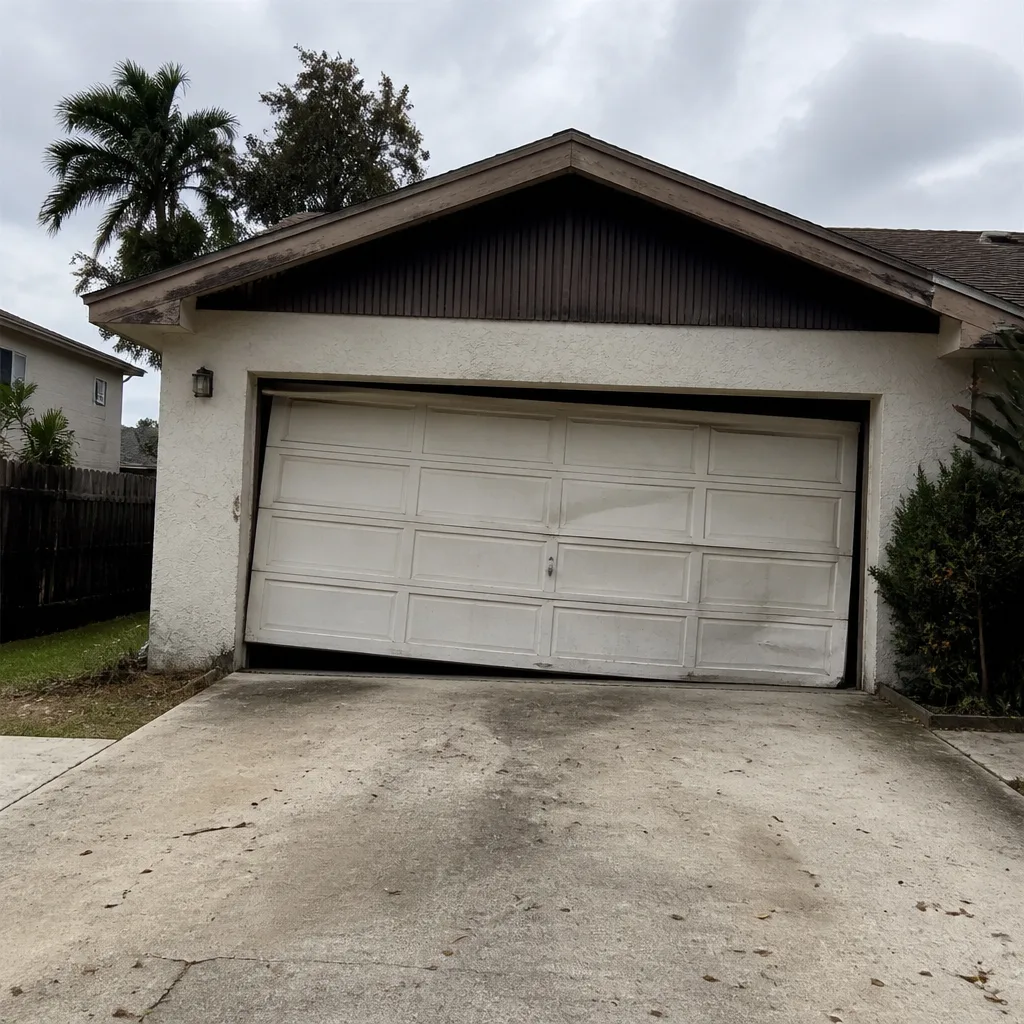 Before
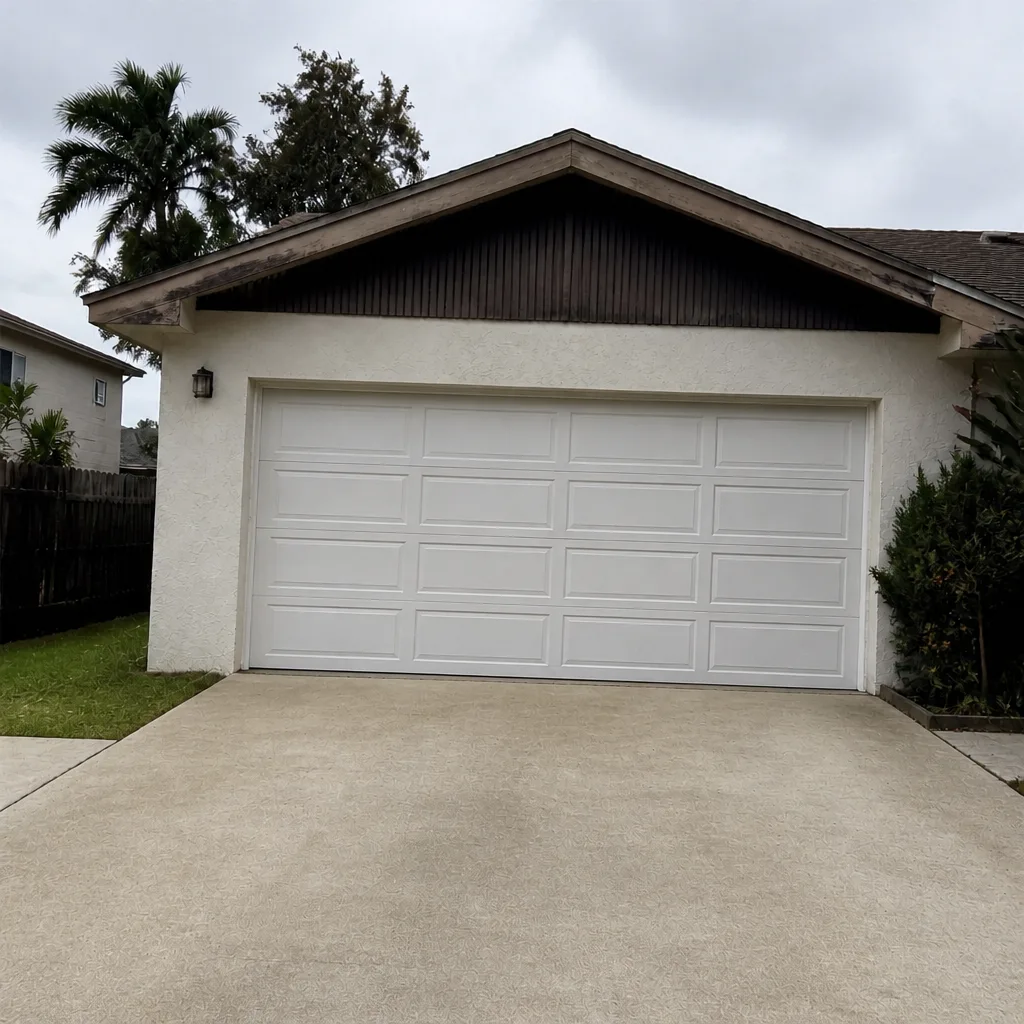 After
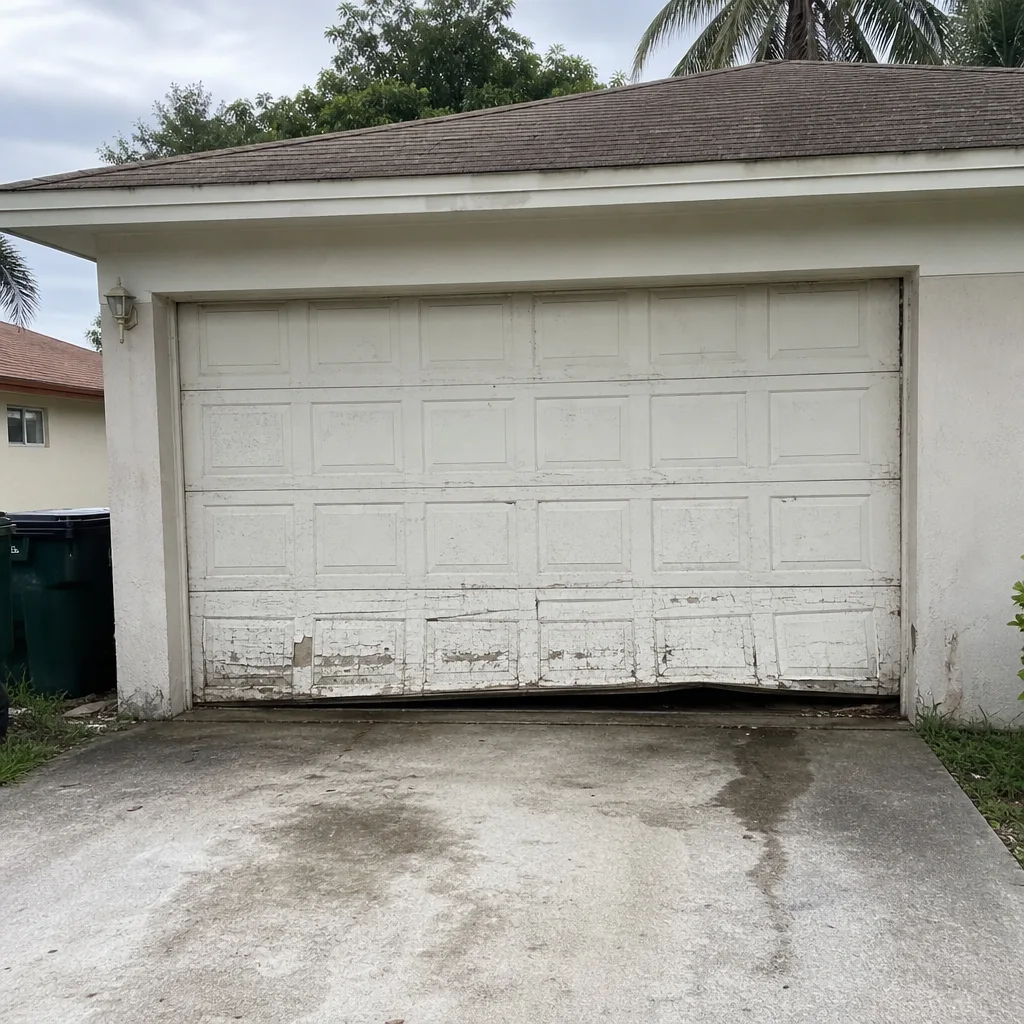 Before
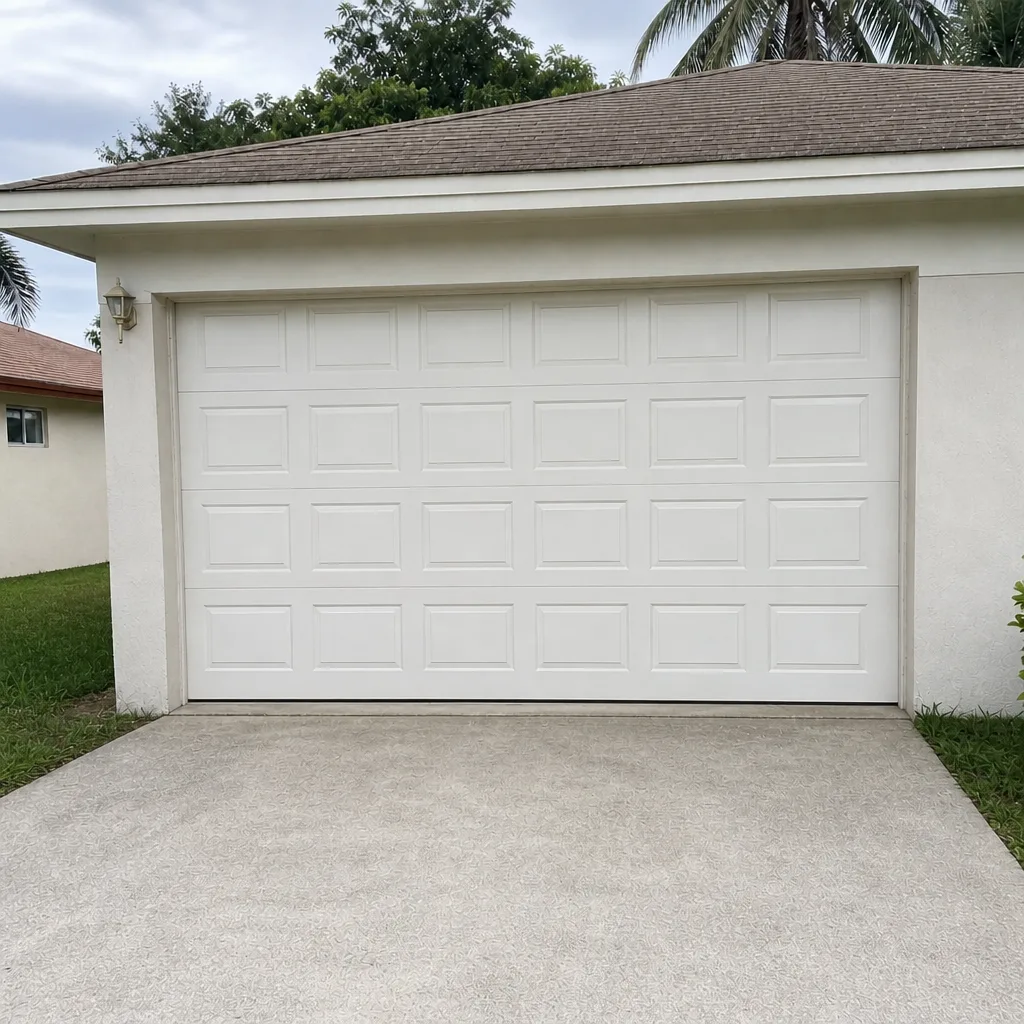 After
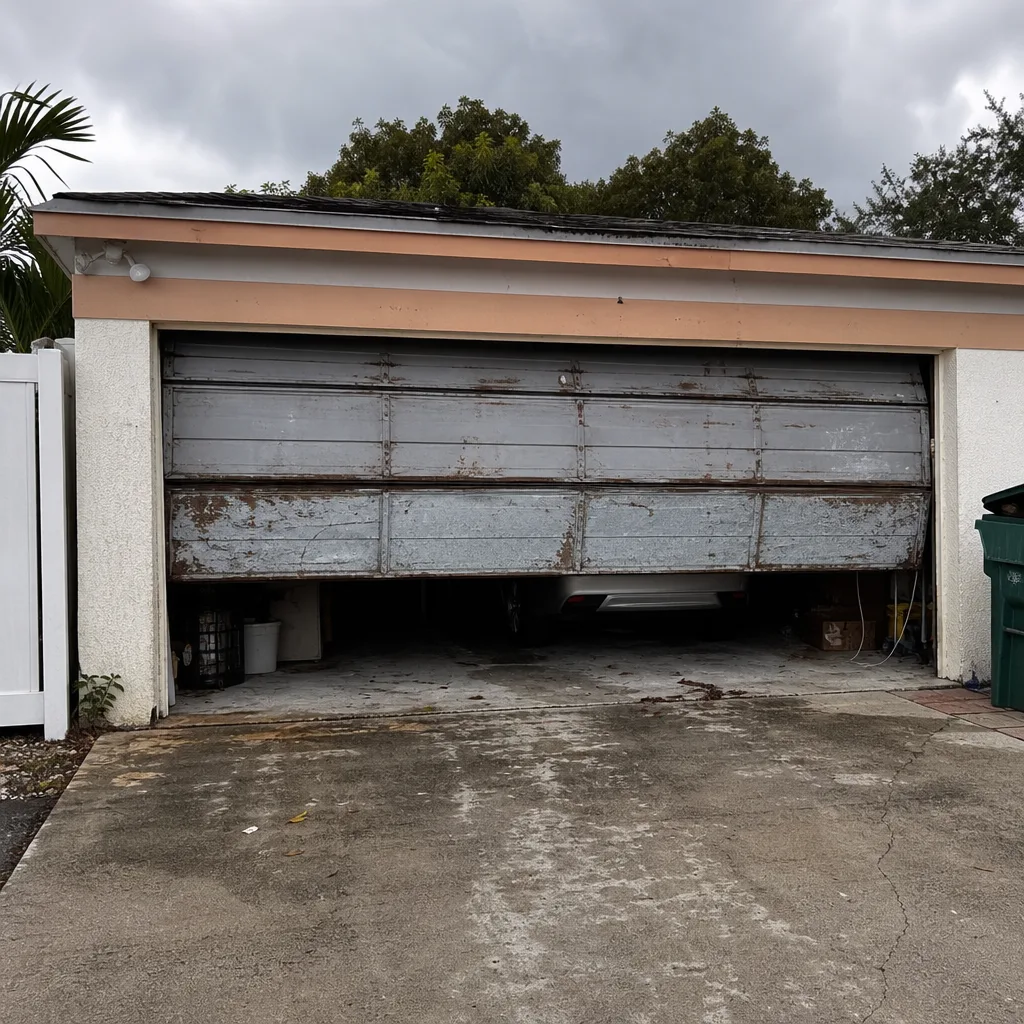 Before
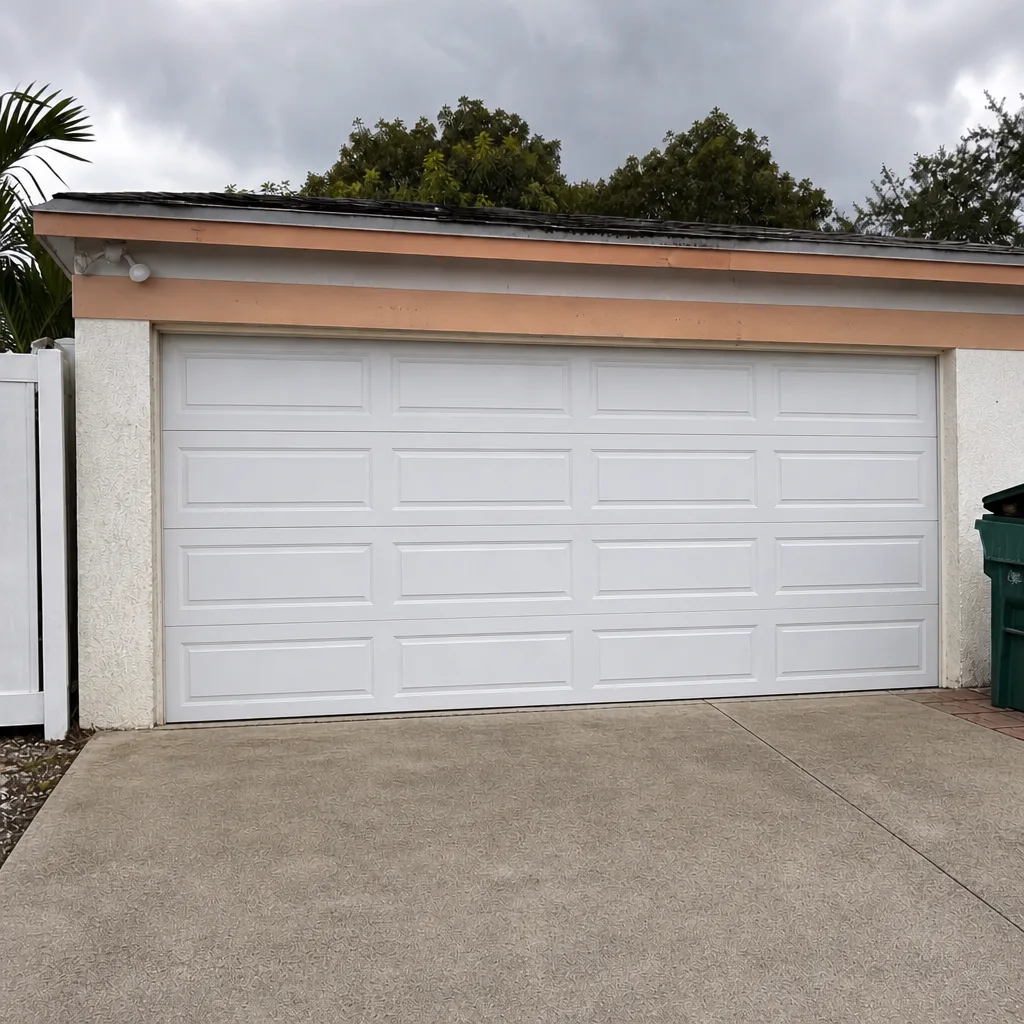 After
When to Call a Professional
Call a professional for anything involving spring tension, cables, opener wiring, or a door that won’t stay closed. Those are the situations where a quick fix by someone without training can turn into a serious injury or a bigger repair. Also call if a storm has bent a panel or track – a door that’s out of alignment can bind on the way up, and running it repeatedly damages the opener. Garage Door Repair Pembroke Pines Pros offers free estimates in Pembroke Pines – call (844) 443-4021. We’ll tell you what’s wrong before any work starts, and you’ll know the price before we begin. Our technicians have up to 13 years of experience, and we work on the major brands you’ll find on Pembroke Pines homes. We’re garage door specialists, not generalists, and we’d rather fix the right thing than guess.
Frequently Asked Questions
Every 3-4 months, rather than the twice-a-year schedule most national guides suggest. The South Florida heat and humidity break down petroleum-based lubricants faster, and the frequent afternoon rains add moisture that speeds corrosion. Use a silicone-based or lithium-complex product, not WD-40 or motor oil, and apply a light coat to hinges, rollers, and the opener rail. Call (844) 443-4021 if you’re not sure which product to use on your specific door.
A visible gap in a torsion spring coil, or a door that won’t stay open more than halfway. You may also hear a loud bang from the garage – that’s a spring snapping, and it’s the most common failure we see in Pembroke Pines. Stop using the door and call for an evaluation. Springs are the highest-risk part of a garage door system, so this is not a DIY repair.
You can safely test whether the door is balanced by disengaging the opener and lifting the door to the halfway point. If it drops or rises on its own, the spring tension is off. What you should never do is attempt to adjust that tension. Winding or unwinding a torsion spring is a technician job – the tension involved can cause serious injury. Call (844) 443-4021 for a free estimate.
Check the panels from a distance for misalignment, look at the tracks for buckling or debris, test the weather seal at the bottom and sides, and then do the balance and safety-reverse tests. Don’t run the opener until the manual checks pass. If the door took a direct hit or a panel is bent, leave it closed and call for an assessment – a bound door can damage the opener motor. Call (844) 443-4021 and we’ll respond to urgent concerns.
Most cities require a permit for garage door replacement, and Pembroke Pines is no exception – ask the city’s building department for the current requirement before scheduling the work. We’ve walked homeowners through this step on replacement jobs, and we’ll tell you what we know about the process without guessing at rules that can change. Call (844) 443-4021 for a free estimate and we’ll talk through the replacement process.
Not an emergency, but it does need prompt attention. The most common cause is a broken spring or a disengaged manual release. Check the release cord first – if it’s been pulled, the door needs to be re-engaged. If not, the spring or the opener’s drive gear is likely the problem. Our garage door opener repair team handles LiftMaster, Chamberlain, Genie, and Craftsman units. Call (844) 443-4021 for a free estimate.
The Bottom Line
Maintenance in Pembroke Pines looks a little different from the national checklist. Rust checks every month, lubrication every 3-4 months with the right product, a post-storm inspection after every Broward County wind event, and a photo record you can hand to an insurance adjuster if you ever need it. Do the safety checks yourself – they’re quick – and leave the spring tension, cable work, and opener adjustments to a trained technician. If you want a specialist to look at your door, we’re at (844) 443-4021. We work on LiftMaster, Chamberlain, Genie, Clopay, Amarr, Wayne Dalton, Craftsman, and Raynor, and our Garage Door Repair Pembroke Pines Pros team handles springs, openers, panels, and full installs. Free estimates, and the price is quoted before any work starts.
Written by the team at Garage Door Repair Pembroke Pines Pros.