Last updated November 22, 2026
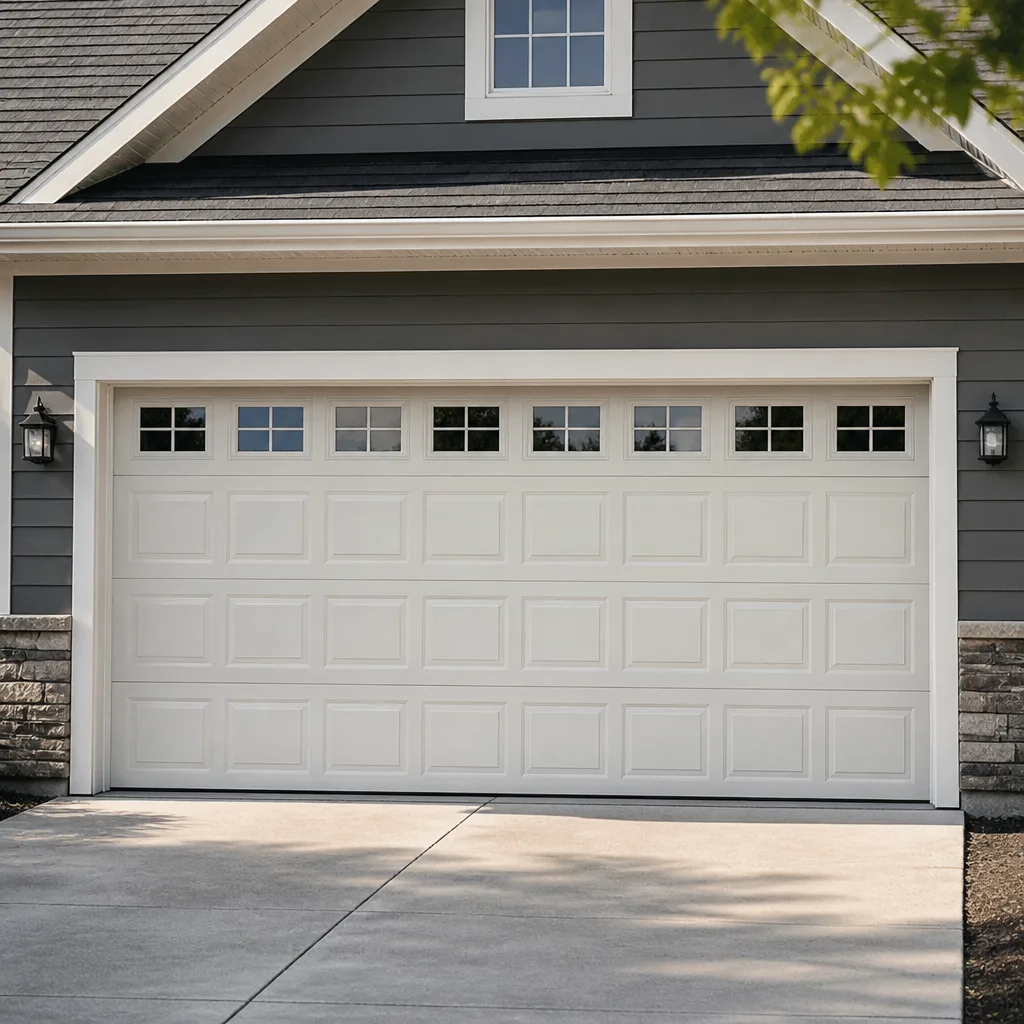 Raised-panel steel
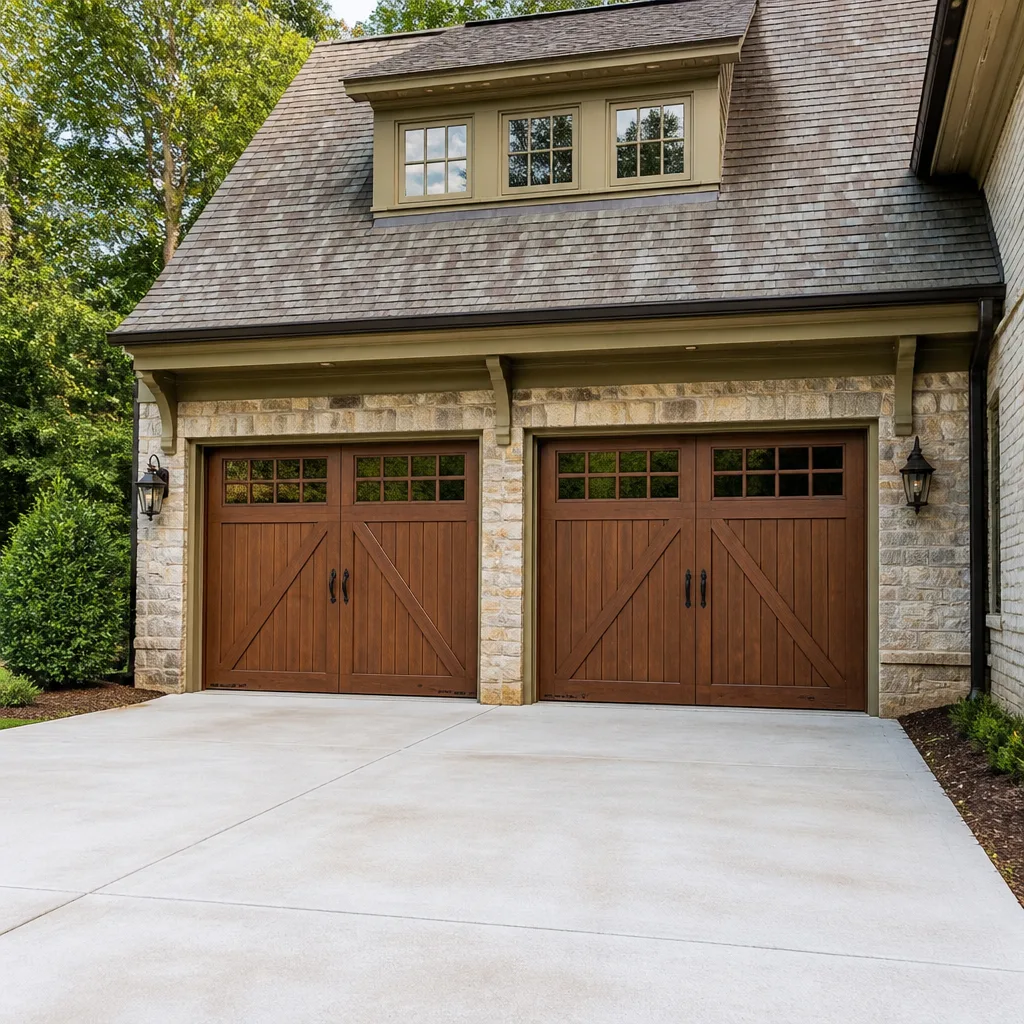 Carriage house
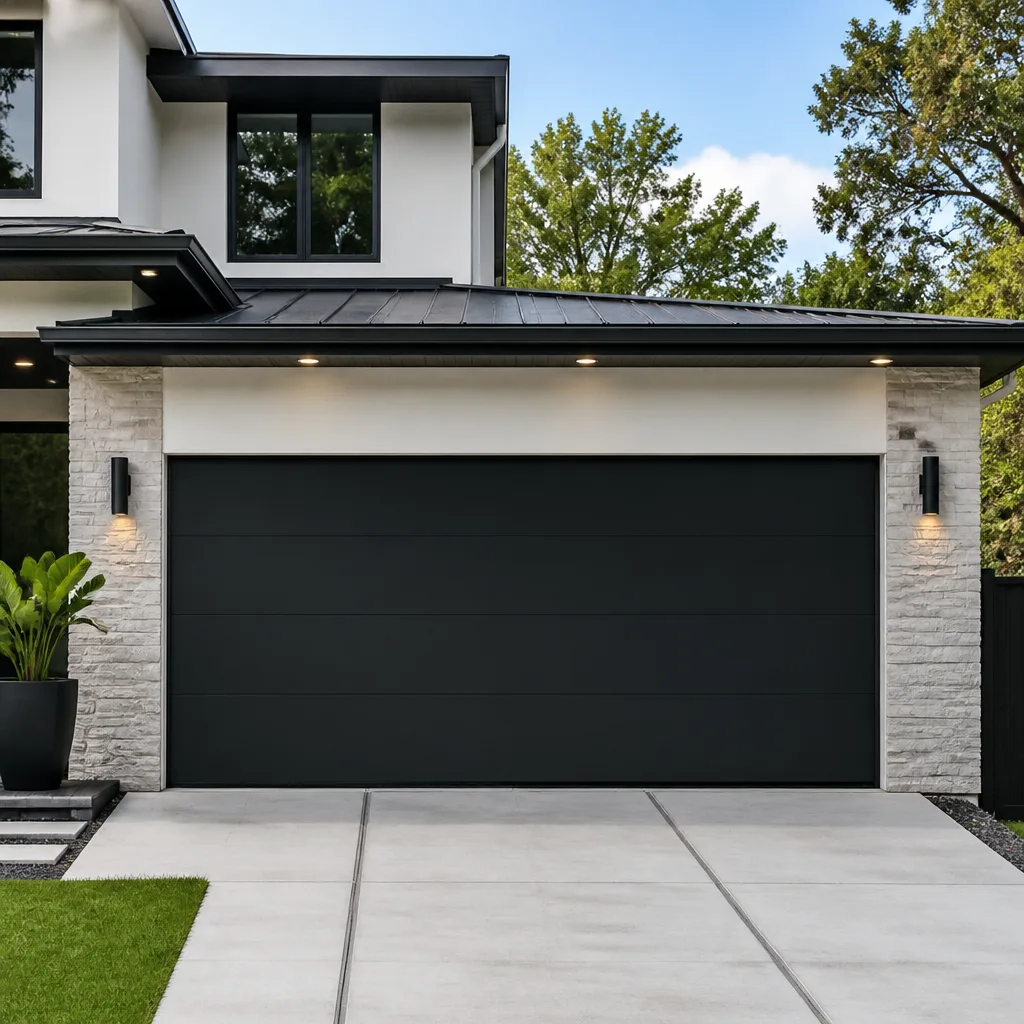 Modern flush
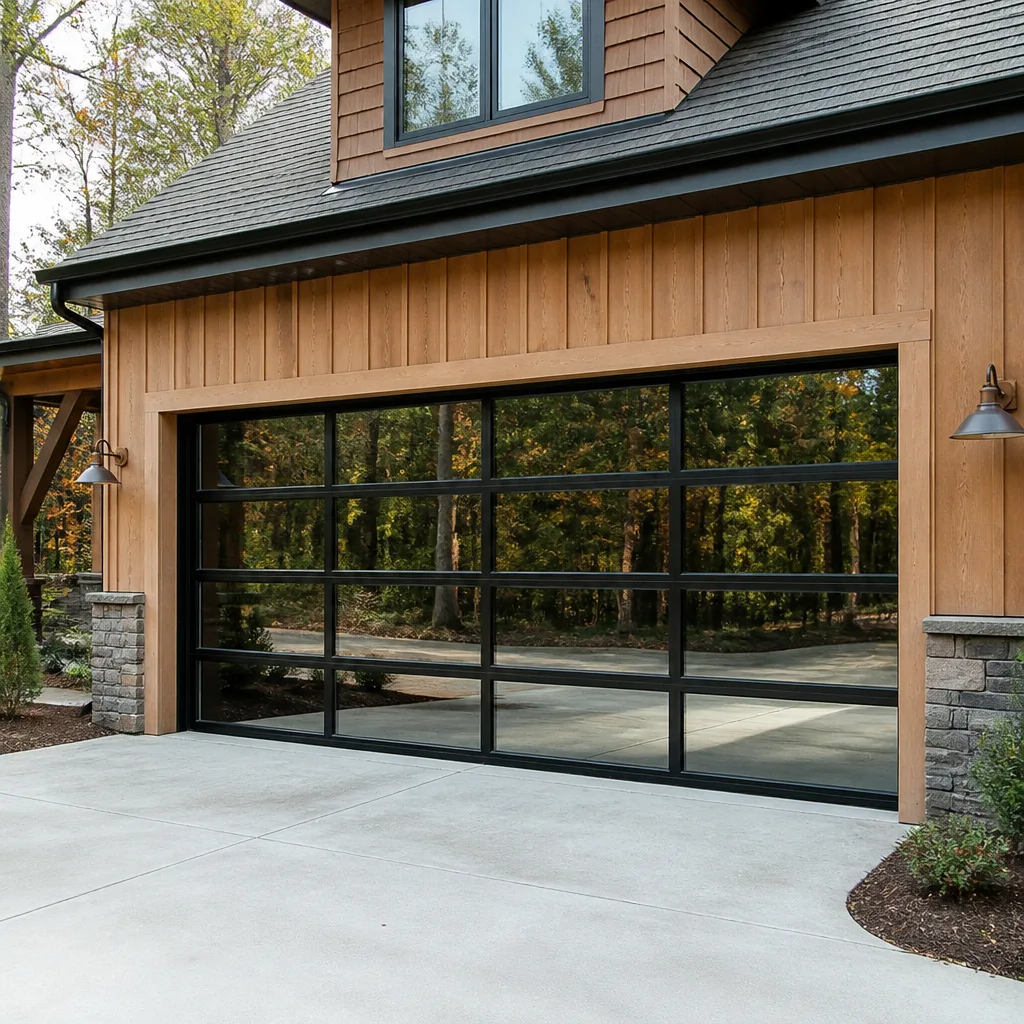 Full-view glass
 LiftMaster openers
 Chamberlain openers
Full 25-point door and opener safety check with every visit - springs, cables, rollers, tracks, and your LiftMaster or Chamberlain opener included
You get a price before we start. It does not change when the pro arrives.
Get your free estimateGarage Door Emergency Preparedness Guide for Pembroke Pines Homes
Most Pembroke Pines homeowners treat their garage door like a convenience until the moment it stops being one. The common misconception is that the only real emergency is a jammed door on a busy morning. In truth, the category that matters far more here is post-storm structural failure, where a breached garage door changes the pressure dynamics of the whole house. A second, quieter emergency is mechanical failure during a power outage, when an opener goes dead and you can’t get the door moving. This guide covers both, in plain terms, so you can prepare before the season instead of improvising during it. You’ll learn what to check on the door hardware, how to open the door by hand for each opener type, what to do the first hour after storm damage, and how to work through an insurance claim without losing evidence. Written for Pembroke Pines homes in a hurricane zone.
Quick Answer
A garage door emergency in Pembroke Pines comes in two forms: structural damage after a named storm, and mechanical failure during a power outage. Handle them differently. Post-storm damage calls for temporary bracing, no forcing, and a call once you’ve documented the scene. A dead opener during an outage calls for the manual release, and only that. The garage door is the largest opening on most homes here, so it’s the part of the building envelope most likely to fail under wind and pressure. Prepare the hardware before the season and you avoid most emergencies entirely.
Styles & brands we work with
- Raised-panel steel
- Carriage house
- Modern flush
- Full-view glass
- LiftMaster openers
- Chamberlain openers
Table of Contents
- Why the Garage Door Is the Most Vulnerable Opening on a Pembroke Pines Home
- How to Operate Your Garage Door Manually During a Power Outage
- Florida’s Battery-Backup Opener Requirement and What It Means for You
- Pre-Hurricane Season Hardware Check for Emergency Readiness
- What to Do Immediately After Storm Damage to Your Garage Door
- How a Failed Garage Door Affects Your Home Insurance Claim
- Emergency Response in Pembroke Pines During a Named Storm
- Why Springs Are the Highest Risk Part of the System
Why the Garage Door Is the Most Vulnerable Opening on a Pembroke Pines Home
A garage door spans a wide, tall opening, and on most Pembroke Pines homes it’s the biggest one in the wall. Under wind and pressure it flexes, and if it breaches, it doesn’t just let water in. It opens a hole the size of a small wall, and that changes how wind moves through the whole house. Once pressure is equalized inside and out through a broken garage section, the rest of the structure takes loads it was never designed to carry. This is why garage door failure came up as one of the ways South Florida homes suffered structural damage during past storms. It isn’t the door itself that matters most. It’s the building envelope.
That’s the part most homeowners miss. Insurance conversations, home inspection reports, and code requirements all treat the garage door as a piece of the envelope, not as an appliance. A door that looks fine from the driveway can have a failing bottom seal, a loose brace, or worn springs that leave it weak when it counts. In our experience, the doors that fail early in a storm are rarely the ones that were maintained and checked each season.
Pembroke Pines neighborhoods add to the risk. The city sits in the South Florida hurricane zone, and many homes have garages that face the direction of prevailing storm winds. Communities spread from Chapel Trail down through Pembroke Falls and Silver Lakes have a mix of roof shapes and lot layouts, and a lot of homes are oriented with their wide doors the direction window. That’s not something you can change. But you can prepare for it.
What you’re building here is envelope integrity. Bracing, seal condition, and hardware that functions when the power is out all contribute. So does knowing which part of the system is likely to give way first, so you can plan a response before a storm arrives. That response is the rest of this guide.
How to Operate Your Garage Door Manually During a Power Outage
When the power goes out in Pembroke Pines during a storm, your opener loses its ability to move the door. What follows depends completely on the type of opener, and doing this wrong in the wrong order can leave you with a door off its track. Before you touch anything, know this: manual operation exists for convenience during outages, not for moving a door that’s already damaged. If the door has sprung, twisted, or come off the track, do not pull it by hand. Call a professional.
The manual release, step by step
- Find the release cord or lever hanging from the trolley on the opener rail above the door.
- Make sure no one is under the door and the door is fully closed or fully open, never mid-travel.
- Pull the release cord firmly downward once. The trolley disconnects from the carriage.
- Lift the door slowly by the bottom edge. If it feels heavy or binds, stop and leave it closed.
- When you’re finished, reconnect by hand-lifting the door and pushing the carriage back toward the opener until it clicks back into the trolley.
How this differs by opener brand
- LiftMaster and Chamberlain: These use a standard trolley release with a hanging cord. Chain and belt models behave the same way, but belt drives move more smoothly when the door is reconnected.
- Craftsman: Older Craftsman openers still in service in some Pembroke Pines garages may have a release lever that clips on the rail rather than a cord. Those need the lever pushed toward the door, not pulled downward.
- Raynor: Some Raynor openers use a proprietary trolley that requires a small clip to be removed. Check the manual before trying to open the door by hand, because forcing it can damage the carriage.
The main thing: don’t assume. If you don’t know your opener model, look up the brand on the motor housing or the back of the remote. Knowing the brand in advance is the difference between a five-second release and a costly mistake.
Florida’s Battery-Backup Opener Requirement and What It Means for You
Florida law requires battery-backup openers on new or replacement installations on many residential garages, because a door that opens by remote is a life-safety issue during an evacuation and a door that only opens by hand becomes an access problem. What the requirement means in practice is that newer Pembroke Pines homes and homes that have had their openers replaced recently are more likely to have a battery back-up. Older homes often don’t. So the first thing to do is check.
Look at your opener motor housing. A unit with a battery back-up will have a built-in or auxiliary battery bay. On LiftMaster and Chamberlain units the battery door is usually on the side or bottom of the housing. On Genie and Craftsman units you’ll usually see a separate small battery box. If you see nothing that resembles a battery compartment, you almost certainly don’t have one.
Why this matters for preparedness
- A battery back-up lets you open and close the door during a prolonged outage without pulling the release, which reduces the risk of leaving the door unlocked or misaligned.
- The battery needs to be healthy. Sealed lead-acid batteries degrade over time, and after several seasons they often won’t hold enough charge to lift the door even once.
- Testing it takes a minute. With the door closed, unplug the opener and press the wall button. If the door doesn’t move, the battery is dead or absent.
If your opener doesn’t have a battery back-up, an opener replacement or retrofit is the answer, and it’s a job worth planning ahead of the season rather than during one. If you already have one, test it each spring. A dead battery during a storm does you no good, and openers are one thing we repair every season across Pembroke Pines homes.
Pre-Hurricane Season Hardware Check for Emergency Readiness
The window before hurricane season is the only one that lets you plan work rather than react to it. A pre-season hardware check is not complicated, and most of it can be done in ten minutes with the door in its down position. Do this in the spring, every spring, in Pembroke Pines. It’s brief, and it’s the difference between a door that holds and a door that doesn’t.
- Inspect the bracing brackets. On the inside of the door, each panel is reinforced by horizontal and vertical bracing, usually steel. Look for bent, missing, or rusted brackets. If a bracket is loose or gone, that panel has no rigidity.
- Check the bottom seal. The seal runs along the bottom of the door and should meet the floor with no gaps. If it’s cracked, torn, or flattened, wind gets under the door, and that’s the first step toward a breach. Replace a bad seal before the season, not after.
- Test the lock bar. If your door has a manual lock bar, engage it and disengage it. If it’s stiff or won’t fully engage, it won’t do its job. Lubricate the mechanism or have it serviced.
- Look at the track and rollers. Run the door up and down a few times. It should move smoothly with no shudder, no grinding, and no pulling to one side.
- Check the springs. If the door lifts heavy with the opener disconnected, that’s a sign the springs are worn. Don’t try to adjust them yourself.
- Verify your opener battery. Test the manual release and battery back-up as described above.
If anything in that list is off, it’s a repair to schedule, not a wait-and-see. A loose brace or a torn seal is a small fix now, and a much larger problem on the night a storm comes through. We recommend doing the check before the season, when scheduling is easier and lead times are short.
What to Do Immediately After Storm Damage to Your Garage Door
After a storm in Pembroke Pines, the door may be dented, off its track, or hanging at an angle. The damage may look minor at the top of the door and severe at the bottom, or the reverse. What you do in the first hour matters, both for safety and for the insurance claim. Here’s the order of operations.
- Don’t try to open or close a damaged door. It can drop or come off the track and injure someone. Leave it where it is.
- Take photos and video before you touch anything. Shoot the door from the street, from inside the garage, and close-ups of each damaged panel, the track, the springs, and the opener. This is the single most important thing you’ll do for a claim.
- Check for structural movement around the opening. If the header, trim, or jambs are damaged, don’t brace anything to them. Call a professional.
- If the opening needs temporary bracing to keep weather out, use wood or plywood across the outside of the opening, not against the door itself. Don’t attempt to wedge the door back onto the track.
- Keep the door closed by hand if you can, and tarp the opening from the inside if you can’t, so the house is sealed.
- Call for emergency evaluation once the storm has passed and it’s safe to be outside.
The line between “call now” and “wait until morning” is simple. Anything involving springs, cables, or a door that’s come off the track is a call now. Anything that’s cosmetic, or where the door is secure and the house is dry, can wait until morning. When you’re not sure, err on the side of the call. A specialist would rather look at a small issue than repair the aftermath of a big one.
If your opener stopped working or the door won’t respond at all, that’s a different job than a structural problem, and it’s covered on our garage door opener repair page alongside everything else we handle for openers.
How a Failed Garage Door Affects Your Home Insurance Claim
A failed garage door is one of the more complicated lines on a South Florida homeowner claim, because insurers want to see whether the door was in good condition before the storm. If it wasn’t, the claim can get narrowed or denied. The good news is that a clean, well-documented record of pre-season maintenance and a fast, organized response after the storm is exactly what makes a claim go smoothly.
What to document in the first hour
- Wide shots of the whole garage from the street, taken from a few angles.
- Close-ups of every damaged panel and the inside bracing.
- Photos of the springs, cables, track, and opener.
- Any water intrusion or interior damage caused by the breach.
- Notes on date, time, and what the storm conditions were in your part of Pembroke Pines.
- Your last service or maintenance record for the door, if you have one.
The maintenance record matters more than people realize. A claim reviewer sees a well-maintained door and a clear timeline and has less reason to push back. A door that was never checked is harder to defend. That’s why the pre-season checklist above is part of emergency preparedness, not just maintenance.
If the door was damaged and has to be replaced, the claim will often cover the door, not the opener, unless the opener was also damaged. A full replacement goes through a specialist, and our garage door installation page covers what that involves. Save your claim paperwork, keep every photo, and be ready to describe the pre-storm condition of the door. And when the insurer sends an adjuster, let the inspection happen before anyone repairs anything.
Emergency Response in Pembroke Pines During a Named Storm
Call volume during and after a named storm in Pembroke Pines is higher than any other time of year. That’s not a reason to panic, but it is a reason to plan your call. Here’s how response usually works, and how to prioritize yours.
What to expect
- During a storm, response is limited until conditions are safe for technicians to be out. No one can service a door in active wind and rain.
- Immediately after a storm, the highest priority goes to doors that are off the track, hanging, or blocking access to the home.
- Less urgent calls come next: doors that are dented but functional, or openers that are down but the door is secured.
- Replacement and full installation work is measured, ordered, and scheduled, so don’t expect same-day replacement after a storm event.
How to prioritize your call
- Is anyone at risk? A door that could fall or is off its track comes first.
- Is the house unsecured? A door that can’t close is a security issue.
- Is the opener dead but the door manually operable? That can wait until morning unless it’s blocking access.
- Is the issue cosmetic only? That’s a scheduled visit, not an emergency.
When you call, tell us the door type, the opener brand, and what’s damaged. That helps us route the call correctly and bring the right parts. We service LiftMaster, Chamberlain, Genie, Clopay, Amarr, Wayne Dalton, Craftsman, and Raynor, so there’s no guesswork on compatibility. You can also call the main line for garage door repair if your door has been damaged and you want an estimate, or start from the home page if you want to see everything we handle.
Why Springs Are the Highest Risk Part of the System
Garage door springs are under extreme tension at all times, including when the door is closed. That’s why they’re the single most dangerous part of the system, and why spring repair is one of the few garage jobs where a DIY approach is genuinely a bad idea. A broken spring isn’t a door that won’t open. It’s a stored-energy device that has already failed once. Touching it is how people get seriously hurt.
In our experience, a spring failure usually announces itself with a loud bang and the door suddenly becoming very heavy. If you hear that in your Pembroke Pines home, don’t try to lift the door. Call a professional. The same applies after a storm, when the door has been forced and the springs may have been stressed beyond their limit. Springs are why we’re a specialist rather than a generalist shop. It’s not a repair you fit between other jobs, and it’s not something a handyman should attempt.
There’s a second, quieter spring problem. Springs don’t always snap. Over years they lose tension, and the door gets heavier and heavier without anyone noticing. That shows up as an opener that seems to struggle, or a door that won’t stay up when you disconnect it. A pre-season check catches that before it becomes an emergency. Our technicians have up to 13 years of experience, and they’ve seen every version of this. If your door hasn’t been checked in a while, a quick inspection is worth the call.
Common Mistakes to Avoid
- Trying to force a jammed door open by hand. A door off the track can come down without warning. If the door is binding, stop and call.
- Leaving the door open during a storm because it’s easier. An open garage door is the fastest way to pressurize the house. Close it and lock it down before the wind arrives.
- Assuming you have a battery back-up because the manual mentions one. The manual for your model often covers a version with and without the back-up. Check the actual housing before the season.
- Ignoring a torn bottom seal. A small tear lets wind get under the door, which is the first step toward a breach. Replace it, don’t tape it.
- Repairing the door before documenting the damage. Photos taken before any repair are what a claim reviewer needs. Take them first, then call.
- Calling for cosmetic damage during an active storm emergency. Save the call for a real safety issue during peak volume, and book the dented panel for a scheduled visit.
- Letting a generalist touch your springs. Spring work takes professional tools, training, and a specific skill set. A handyman should not be near it.
See the difference
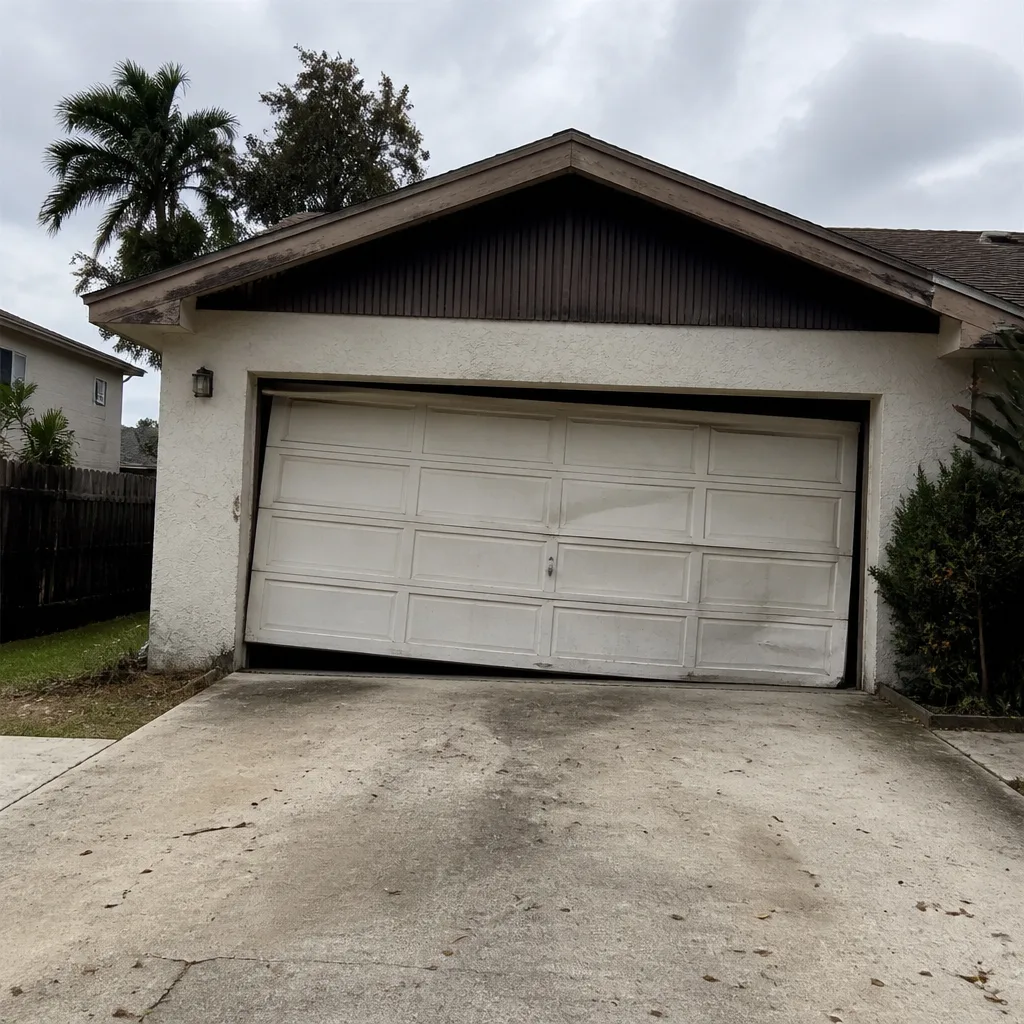 Before
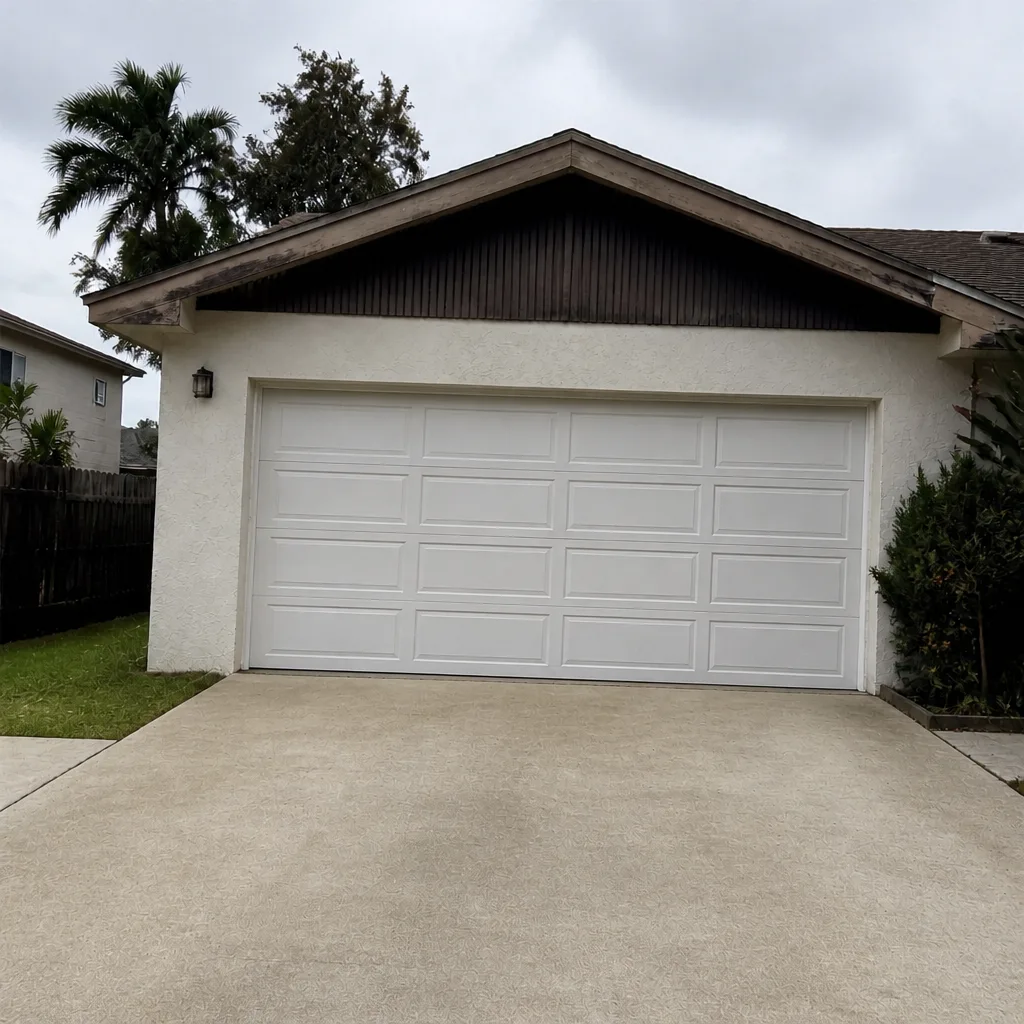 After
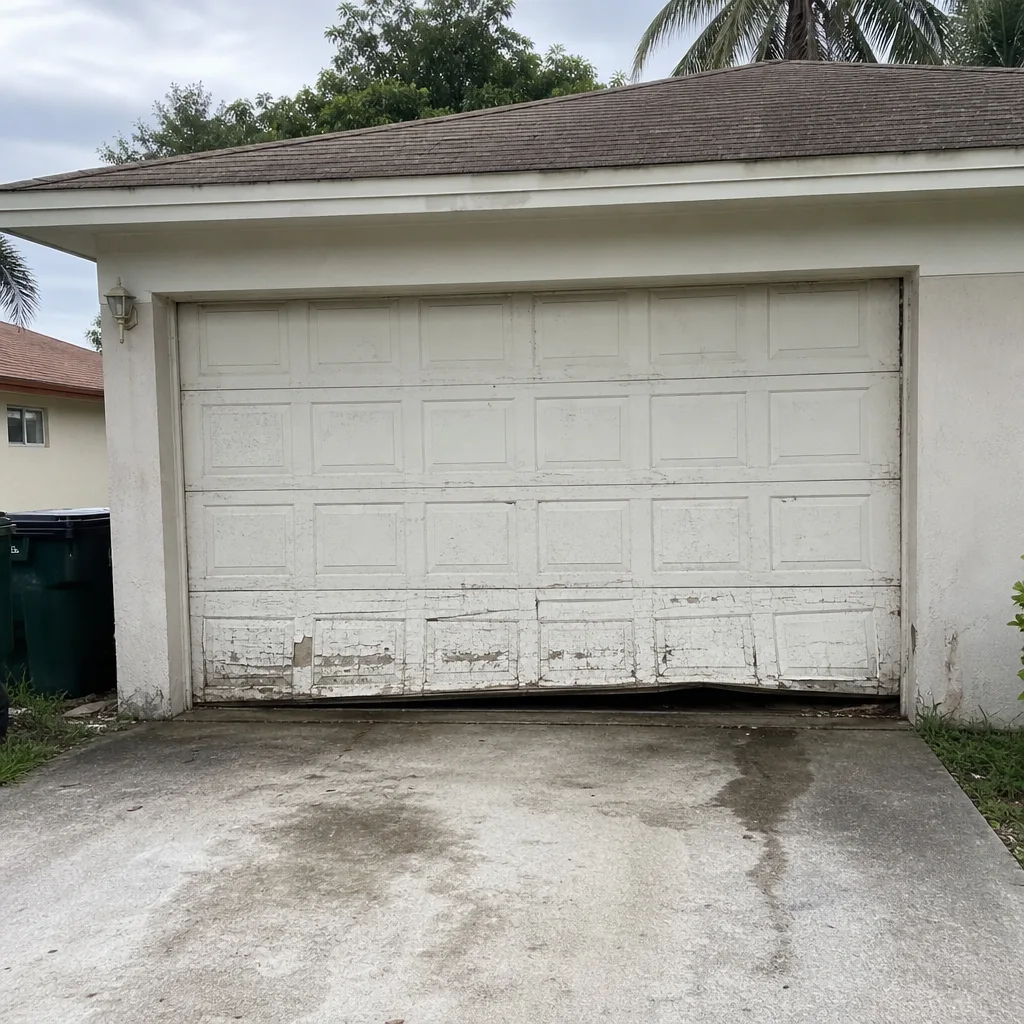 Before
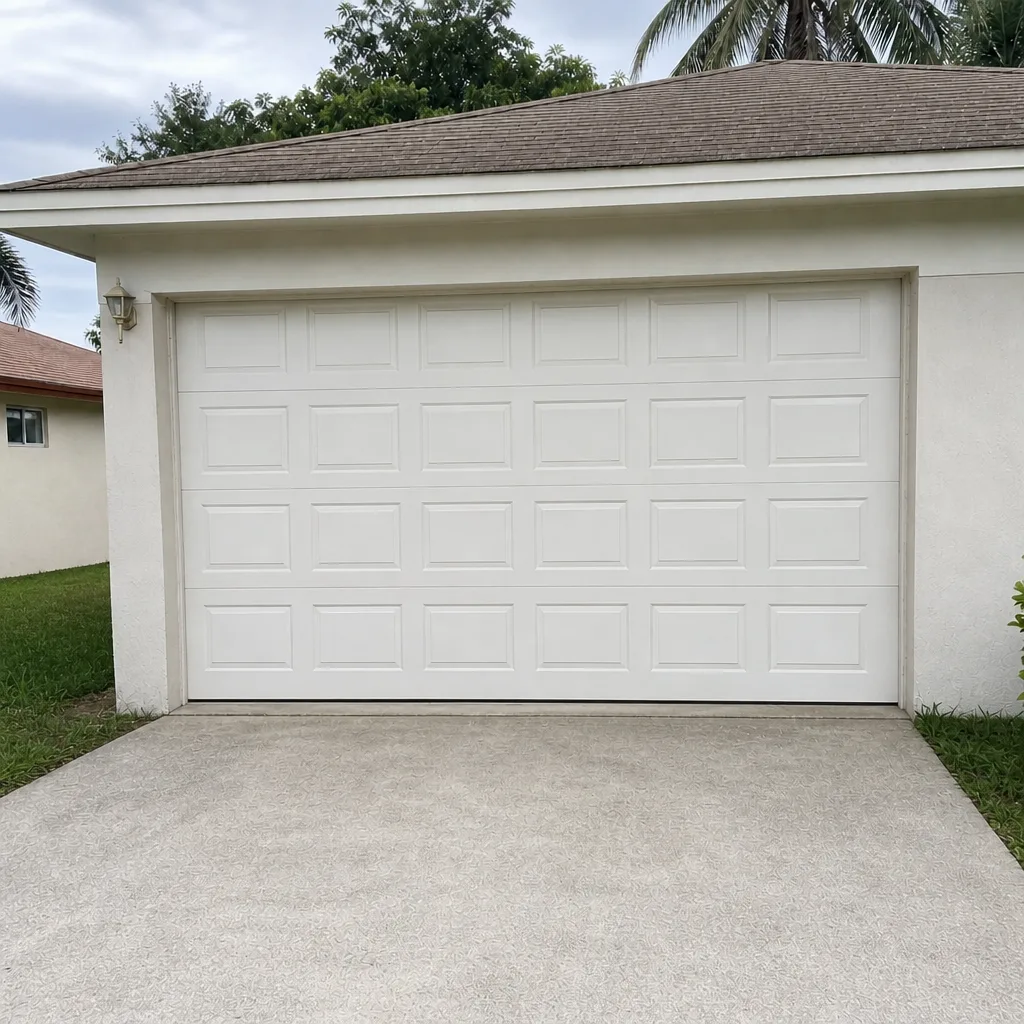 After
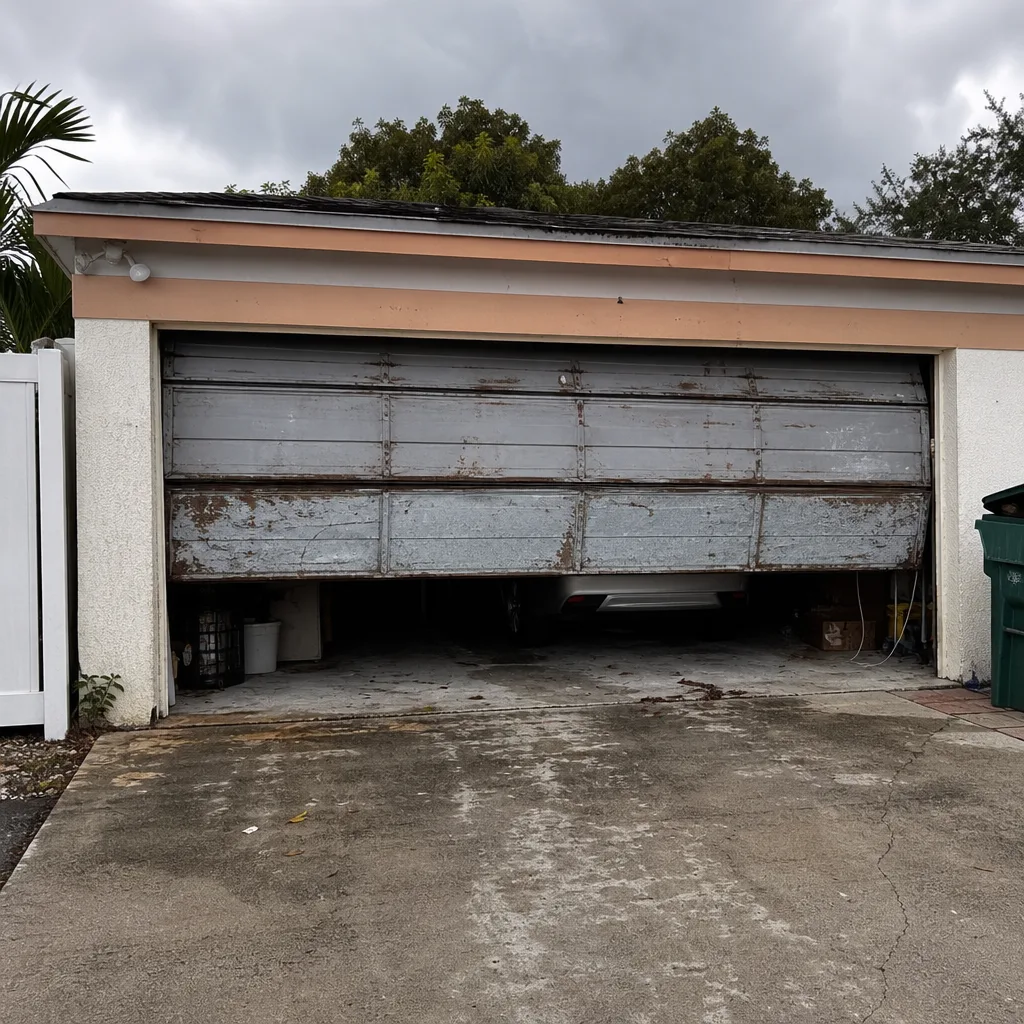 Before
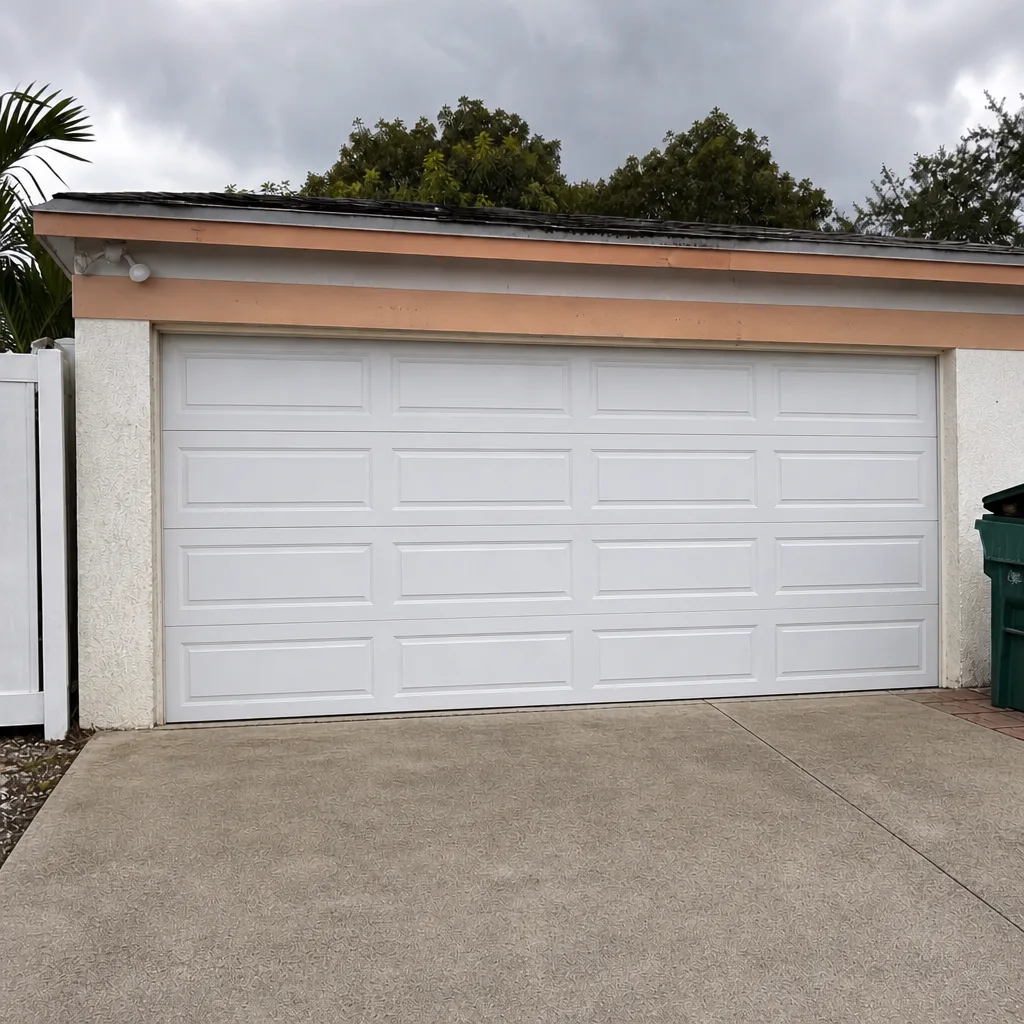 After
When to Call a Professional
Call a professional when anything involves springs, cables, or a door that’s off the track. These are the parts of the system where the wrong move can cause serious injury, and no troubleshooting guide makes them safe for a homeowner to handle. Call when the door won’t close securely and your home is open to the weather. Call when the opener has failed and the door won’t respond, especially if you can’t operate it manually. Call when storm damage has created a structural problem at the opening, or when you’re not sure whether the damage is cosmetic. For schedule-based work like a full new door or opener replacement, call and we’ll set up a free measure and a written price. Garage Door Repair Pembroke Pines Pros offers free estimates in Pembroke Pines, call (844) 443-4021. We can work with your insurer on storm damage, and we’ll quote and agree the price with you before any work starts.
Frequently Asked Questions
Pull the manual release cord downward once to disconnect the trolley, then lift the door slowly by the bottom edge. If the door feels heavy or binds, stop, because that usually means a spring or track problem. On a Craftsman or Raynor opener the release may be a lever or a small clip rather than a cord, so check the model before you pull.
Florida law requires battery-backup openers on many new and replacement installations in residential garages, but older homes often don’t have one. Check the motor housing for a battery compartment, test it by unplugging the opener and pressing the wall button, and replace the battery if it doesn’t work. If your opener has no back-up, a retrofit is the fix. Call (844) 443-4021 for an estimate.
Don’t open or close it, then take photos and video of the damage before anything else. Check for structural movement around the opening and brace the opening from the outside only if you need to keep weather out. Call a specialist for evaluation after the storm passes. If springs, cables, or the track are involved, treat it as urgent.
Many South Florida homeowner policies cover storm damage to a garage door, but the claim depends on documentation and the pre-storm condition of the door. Photograph everything in the first hour, keep your maintenance records, and let the adjuster inspect before any repair. A clean record of pre-season checks makes a claim go more smoothly.
Response time depends on storm severity and call volume, and no one can promise a specific window during or immediately after a storm. Our priority is doors that are off the track or that leave the home unsecured, then functional doors with cosmetic damage. Replacement work is measured and scheduled, not same-day.
A broken spring almost always calls for spring replacement rather than a whole new door, but a spring repair only addresses that part of the system. If the door has been stressed for years, the track and opener may also need attention. Our technicians have up to 13 years of experience and can tell you which is which. Call (844) 443-4021 for a free estimate.
The Bottom Line
Garage door emergencies in Pembroke Pines come in two shapes, and they call for different responses. Post-storm damage is an envelope-integrity problem: document, don’t force, and call a specialist. Power-outage failure is a manual-release problem, and knowing your opener type in advance is what makes it safe. Prepare before the season with the bracing, seal, lock bar, and battery-backup checks in this guide. Keep good records for insurance. And when a spring, cable, or track is involved, don’t touch it. That’s the work of a specialist with the right tools and training. Prepare now so the storm catches your door ready. Call Garage Door Repair Pembroke Pines Pros at (844) 443-4021 for a free estimate and a written price before any work starts.
Written by the team at Garage Door Repair Pembroke Pines Pros.